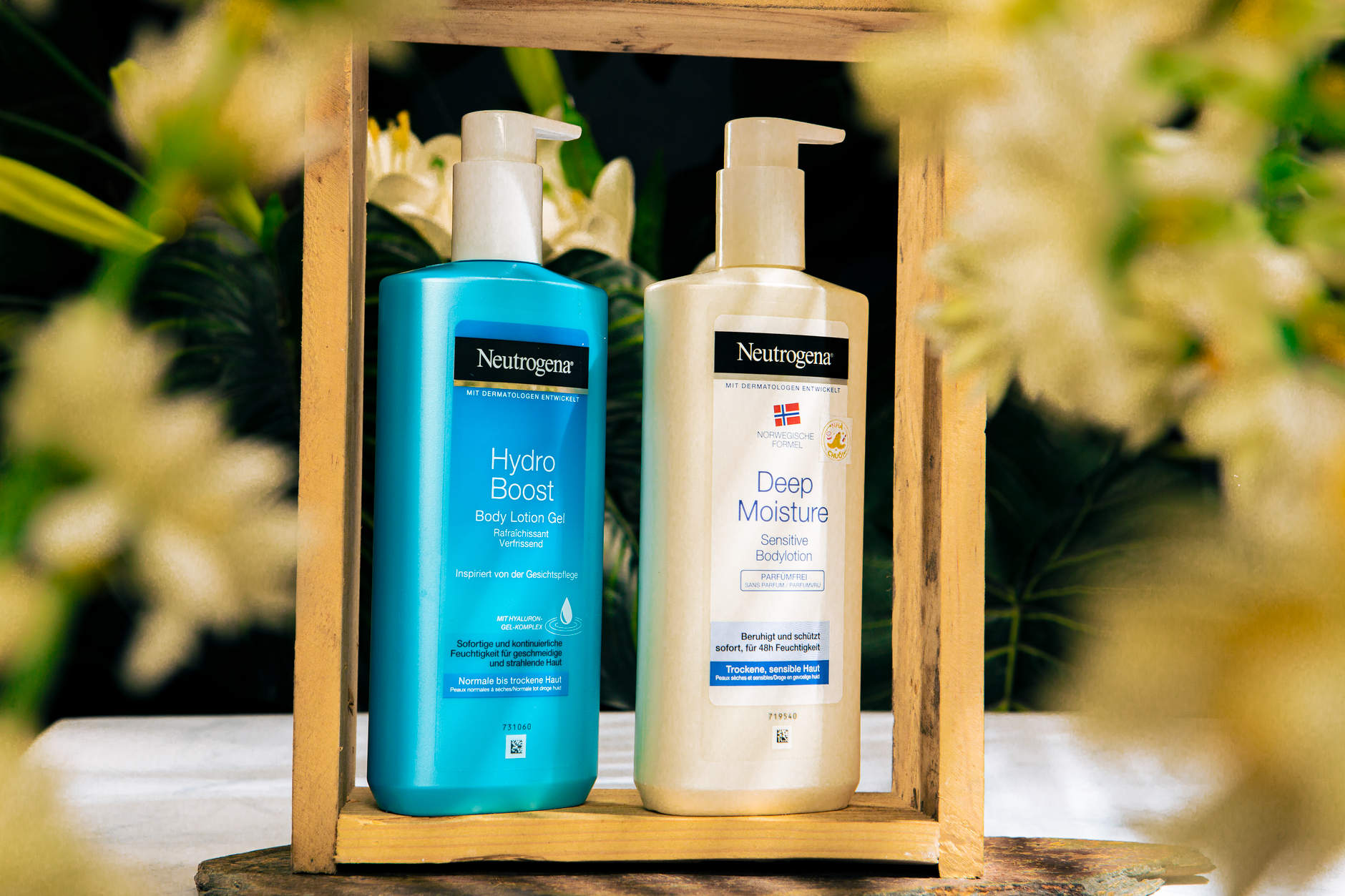

Within the outer skin layer, hydration adds or holds water, while moisturization smooths rough surface cells and slows water loss. Your face can feel tight after cleansing yet look shiny by noon, so both needs can appear at once.
The sections below separate water loss, surface lipids, ingredients, and layering. They suit you as you sort out tightness, flakes, shine, or an uncomfortable finish.
Hydration and Moisturization Serve Separate Roles
Noon-time shine does not prove that your skin holds enough water. Skin hydration refers to water in the stratum corneum, the outer layer exposed to air. Skin moisturization refers to a softer feel and a surface layer that slows water from leaving too quickly.
Water and softness are connected but distinct
Humectants draw water toward surface cells or hold it there. Emollients smooth rough edges between shedding cells, while occlusives form a film over the skin. Your routine may need more water-binding ingredients, more surface lipids, or both.
| Skin care role | Main focus | Useful ingredient types | What you may notice |
|---|---|---|---|
| Hydration | Water in the outer skin layer | Humectants such as glycerin and hyaluronic acid | Less temporary tightness and a fresher-looking surface |
| Moisturization | Softness and slower water escape | Emollients, occlusives, and ceramides | Less roughness, flaking, and drag |
| Combined care | Water plus barrier comfort | Humectants, emollients, and occlusives together | Skin that feels flexible through the day |
A cream can handle both roles in one layer. Glycerin holds water near the surface, fatty alcohols improve slip, ceramides fill lipid gaps, and petrolatum slows evaporation. That formula mix explains why hydrating products vs moisturizing products can look similar on a shelf while behaving differently on your face.
Temporary tightness after a shower points toward low water at the surface. Persistent flakes and rough patches point more strongly toward missing lipids. Your skin can show both clues around the nose, cheeks, or mouth during the same week.
Water Loss and Barrier Lipids Explain the Split
Water leaves the skin throughout the day, even after a comfortable morning routine. Transepidermal water loss (TEWL) describes that movement from deeper layers into the air. Your skin barrier slows TEWL with surface cells and lipids arranged in close layers.
Barrier lipids fill spaces between surface cells
In the outer skin layer, lipids form mortar-like spaces around surface cells, which resemble small bricks. Ceramides, cholesterol, and fatty acids form part of that lipid mixture. Harsh cleansers, dry indoor air, and irritation can leave those spaces less comfortable and more prone to roughness.
Dry skin has lower surface lipids and weaker barrier function. A richer cream can ease dry patches around your nostrils or cheeks, even without a separate serum. Gentle cleansing followed by moisturizer after washing also matches advice from the American Academy of Dermatology.
Oily skin can still lack water
Dehydrated skin lacks water rather than oil. Your T-zone can look glossy while your cheeks feel tight, especially after foaming cleansers or heated indoor air. Surface oil does not show how much water remains in the outer layer.
For example, foundation can catch around the mouth while the forehead turns shiny by 3 p.m. That pattern can point toward low water content, product buildup, or irritation rather than a need for harsher cleansing. Your next step is to separate short-term tightness from persistent roughness.
Dehydrated Skin and Dry Skin Leave Different Clues
Tightness after cleansing is useful, but it does not settle the full picture. Signs of dehydrated skin shift with weather, cleanser strength, and product layers. Dry skin tends to feel more persistent because missing lipids affect texture and comfort.
Low water changes the skin’s short-term appearance
A low-water surface can look dull and show fine lines that fade after a more hydrating routine. Your skin can also produce oil while feeling uncomfortable, which creates the oily-but-tight pattern. Makeup may cling unevenly around the mouth or beneath the eyes.
Low lipids change texture and comfort
Persistent roughness, flaking, itchiness, and less suppleness point more strongly toward dry skin. You may feel stinging after plain water or spot white flakes beside the nose and eyebrows. Emollients, ceramides, and occlusives deserve more attention in that pattern.
| Clue | More consistent with dehydration | More consistent with dryness |
|---|---|---|
| Tight feeling | Changes after cleansing or dry air | Stays present alongside rough texture |
| Surface appearance | Dullness and fine temporary lines | Flakes, scaling, and visible rough patches |
| Oil production | Can appear alongside shine | Skin feels less oily, though both states can coexist |
| Routine focus | Humectants followed by a sealing layer | Emollients, ceramides, and stronger occlusion |
Severe itch, painful cracks, bleeding, spreading redness, or a rash that persists needs clinical advice. Eczema and contact dermatitis can resemble ordinary dryness.
Both states can exist on the same face. Your cheeks may feel better with a richer cream while your forehead prefers a light gel-cream. Match texture to each area rather than forcing every zone into one category.
That zone-by-zone pattern helps determine whether a formula should prioritize humectants, emollients, or occlusives.
Ingredient Families Hold Water, Smooth Texture, and Slow TEWL
Ingredient lists reveal more than labels such as “dew” or “deep moisture.” Humectants hold water near the outer layer, emollients smooth texture, and occlusives slow evaporation. Each group changes a different part of the difference between hydration and moisture in skin care.
Humectants hold water near the surface
Glycerin is a humectant found in cleansers, serums, lotions, and creams because it attracts and holds water. Hyaluronic acid is another humectant found in water-based serums and moisturizers. Your skin benefits most when a lotion or cream follows that water-binding layer.
Emollients and occlusives alter the feel of dry skin
Emollients fill tiny gaps between shedding surface cells, which softens rough texture and improves glide. Squalane, dimethicone, and fatty alcohols are familiar examples. Petrolatum forms a denser surface film, which explains why Vaseline products feel heavier than a gel moisturizer.
Ceramides reinforce surface lipid structure
Ceramides are lipids found within the skin barrier. CeraVe and La Roche-Posay formulas frequently pair ceramides with humectants and emollients, which suits dry or sensitive areas. Neutrogena and The Ordinary also carry humectant-focused textures, though your ingredient list matters more than the name on the package.
- With glycerin, water stays closer to the outer layer in serums, lotions, and cleansers.
- With hyaluronic acid, lightweight formulas gain a slippery feel while holding water near surface cells.
- With dimethicone, rough spots feel smoother beneath makeup or sunscreen.
- With petrolatum, a dense surface film slows TEWL across very dry patches.
- With ceramides, creams add lipids that fit into the skin barrier structure.
A hyaluronic acid serum alone can leave your face tight in dry indoor air. Petrolatum alone can feel heavy on an oily forehead. Your formula texture and placement should match the signs visible in the mirror.
A Routine Can Match Products to the Problem
Slightly damp skin gives humectants water to hold near the surface. Pat your face until it stops dripping, then smooth on a glycerin or hyaluronic acid layer. Follow with moisturizer before that water evaporates.
Dehydrated skin needs water and a sealing layer
For how to hydrate dehydrated skin, start with gentle cleansing and a humectant-containing layer. Your next layer needs enough emollient or occlusive material to keep the surface comfortable. A light lotion can suit skin that turns shiny during the day.
Dry skin needs more surface lipids
Persistent flakes call for a cream with emollients, ceramides, and more occlusion than a watery gel offers. Put a richer layer on rough areas such as cheeks, hands, or around the nostrils. Your face does not need the same texture across every zone.
- With lukewarm water, cleanse without leaving a squeaky, stripped finish behind.
- On damp skin, place humectants where water remains available at the surface.
- After serum, add a lotion, cream, or ointment suited to your dryness level.
- On flaky spots, layer richer textures without coating every area heavily.
- After stinging, simplify the routine because burning can signal irritation rather than dehydration.
Oil and water are separate parts of skin comfort. Your practical texture shift is a light lotion, fluid, or gel-cream rather than skipping moisturizer and chasing shine with stronger cleansing.
Because comfort can change with weather, cleansing, and treatment use, these choices need adjustment rather than rigid rules.
Layering Responds to Skin Feedback
Order matters because a water-binding layer needs water nearby, and a sealing layer sits over it. Start with a gentle cleanser, place the hydrating layer on slightly damp skin, then finish with moisturizer. Sunscreen sits over that daytime routine.
Comfort through midday offers useful feedback
Your face gives the clearest record after several hours. A comfortable finish through midday suggests the layers fit your needs. Tightness returning within an hour points toward too little water-binding care, too little sealing, or a cleanser that removes too much surface lipid.
Routine habits can leave skin uncomfortable
- After skipped moisturizer, humectants lack a layer that slows evaporation.
- After twice-daily over-cleansing, your skin can feel tight, rough, and more reactive.
- After very hot water, cheeks can feel raw and surface dryness can worsen.
- After equating shine, moisture care can disappear from an oily skin routine.
- After many actives, stinging, flaking, and redness become harder to trace.
Scale texture upward in small steps. Put a cream over a serum at night, then add a thin ointment only to stubborn dry patches. With hydrating vs moisturizing skin, the practical goal is a calm, flexible finish without heavy residue.
Simplify a stinging routine before adding extra layers. A bland cleanser, humectant-containing moisturizer, and daily sunscreen make it easier for you to spot the step behind the discomfort.
Ongoing pain, deep cracks, swelling, or eczema-like patches call for a dermatologist. Prescription medicines, allergy triggers, and inflammatory skin conditions need more than routine changes.
Final Thoughts
Water content and surface lipids solve separate problems, even though a well-made moisturizer can handle both. Your skin may need a light humectant layer after cleansing, a richer barrier cream on flaky areas, or both in the same routine.
Watch tightness, roughness, shine, and comfort for several days before changing textures again. Skin hydration and skin moisturization work together, but your visible symptoms show which role needs more attention.
FAQ
What is the difference between hydrating and moisturizing?
Hydrating raises or holds water in your outer skin layer, while moisturizing softens the surface and slows water loss. Your moisturizer can handle both roles with humectants, emollients, and occlusives in one formula.
What is the difference between hydrating and moisturizing skin?
Hydration focuses on water held in the stratum corneum. Moisturization focuses on surface softness and slower TEWL. Your face can need more of either role, depending on tightness, flakes, shine, and texture.
Is dehydrated skin the same as dry skin?
No. Dehydrated skin lacks water near the surface, while dry skin has less surface lipid and weaker barrier comfort. Your skin can show both patterns at the same time.
Can oily or acne-prone skin be dehydrated?
Yes. Your skin can produce visible oil while the outer layer lacks enough water, leaving you shiny and tight at once. A gentle cleanser, a humectant layer on damp skin, and a light moisturizer can fit that pattern.
Does oily skin need moisturizer?
Even when the face looks shiny, moisturizer supports water balance and barrier lipids because oil does not replace either. Your texture choice matters: a fluid, lotion, or gel-cream can feel lighter than a rich ointment.
Do I need a hydrating product, a moisturizer, or both?
You do not always need separate layers. A moisturizer with glycerin or hyaluronic acid can cover water-binding care and surface softness in one step. Separate layers fit your routine when extra hydration feels useful but a light final texture still feels better.