

A controlled bare-face check begins after gentle cleansing: wait 30 to 60 minutes, then compare shine, oil transfer, tightness, and flaking across each zone. Your repeated sebum pattern points toward normal, dry, oily, or combination skin more reliably than a single shiny nose.
These sections help you sort mixed facial signals, choose simpler daily care, and spot symptoms that need a dermatologist’s assessment.
Skin Type Is a Baseline, Not a Daily Verdict
Sebum is the natural oil produced by your skin, and its repeated pattern across your face defines your baseline more clearly than one humid afternoon. Heat, stress, a rich night cream, or a long commute can change surface shine for a day without changing your skin type.
Your baseline usually falls into four groups: normal skin, dry skin, oily skin, and combination skin. Sensitive skin describes reactivity, such as stinging or redness, rather than oil production. You may have oily, sensitive skin or dry, sensitive skin at the same time.
| Skin pattern | Oil and comfort clues | Example you might notice |
|---|---|---|
| Normal skin | Balanced oil, comfortable feel, no ongoing flakes or heavy shine | Your cheeks and T-zone feel calm through the afternoon. |
| Dry skin | Low oil, tightness, rough texture, flakes, or scaling | Your face feels papery after cleansing, especially around the mouth. |
| Oily skin | Visible shine or greasy feel across much of the face | Your cheeks, forehead, nose, and chin develop shine before midday. |
| Combination skin | Oilier forehead, nose, and chin with normal or dry cheeks | Your T-zone shines while your cheek area stays comfortable. |
Acne, dehydration, irritation, and product-related breakouts are concerns rather than skin types. Acne-prone skin may be dry, while an oily forehead may sit beside dehydrated cheeks. Your skin barrier also affects how your face feels from day to day.
Hormones, weather, medication, aging, and routine changes may alter visible oil and comfort over time. A neutral starting point gives you a clearer reading because it separates your baseline from a short-term reaction.
A Clean, Neutral Starting Point Improves the Test
Leftover sunscreen, heavy moisturizer, and makeup can mimic oiliness. A harsh cleanser can produce the opposite result, leaving your face tight and red enough to resemble dry skin. Your at-home skin type test works best on an ordinary indoor day.
Preparation removes false signals
- Pick a calm day. Skip the check after intense exercise, prolonged sun exposure, a facial, or heavy makeup.
- Pause strong actives. Avoid exfoliants, retinoids, peel pads, and clay masks right before you check your skin.
- Use gentle cleansing. Wash with a mild cleanser and lukewarm water rather than hot water or a scrub.
- Pat without rubbing. Press a clean towel against your face to limit friction-related redness.
- Leave skin bare. Skip toner, serum, moisturizer, sunscreen, makeup, and facial oil during the waiting period.
A new acid, retinoid, or mask can make irritation resemble dryness. Save the check for a day when your routine has stayed quiet and familiar.
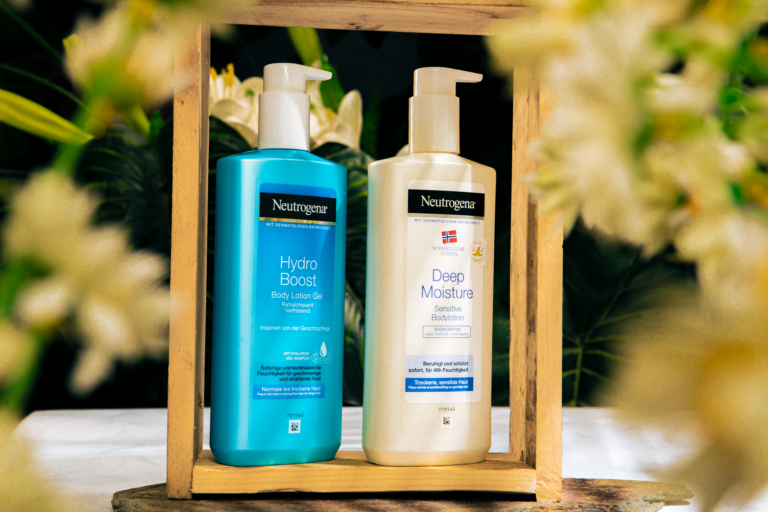
Gentle cleanser labels from CeraVe, Cetaphil, La Roche-Posay, and Neutrogena vary by formula, so focus on how your own skin feels after rinsing. Fragrance, scrubbing particles, and strong foaming agents may disturb the skin barrier, the outer layer that slows water loss and blocks irritants.
Clean skin needs time to settle before you judge it. That waiting window allows natural sebum to return without the surface gloss left by a product.
The Bare-Face Test Reveals Oil and Comfort Patterns
Thirty to 60 minutes after cleansing gives your face time to show its usual behavior. Stay indoors at a comfortable temperature, keep your hands away from your face, and resist repeated mirror checks. Touch transfers oil and muddies the result.
Check each facial zone separately
- Look under even light. Stand near a window or use even room light and check the forehead, nose, chin, and cheeks for shine.
- Notice skin comfort. Pay attention to tightness, roughness, flaking, itching, or a smooth comfortable feel without rubbing your face.
- Compare facial zones. Judge the forehead, nose, and chin against both cheeks rather than treating your face as one surface.
- Use blotting paper. Press a sheet lightly on each zone, then check whether oil transfers broadly, through the T-zone, or scarcely at all.
- Record two checks. Write down results from two ordinary days so your conclusion rests on a repeated pattern.
Blotting paper is supporting evidence rather than a final verdict. A sheet that picks up oil from your nose after a warm commute says less than oil that returns across your face after gentle cleansing in a cool room.
Pore size varies from zone to zone and does not identify your skin type by itself. Your notes should include comfort as well as shine, since an oily nose with tight cheeks points to a different routine than full-face oiliness without discomfort.
Reading the Results Across the Face
Repeated shine across the forehead, cheeks, nose, and chin points toward oily skin, especially after mild cleansing rather than heat or sunscreen. Your face may look dewy beneath moisturizer while still having a low-oil baseline, which is why the bare-face skin test matters.
Oil patterns separate oily and combination skin
| What you see after waiting | Most consistent pattern |
|---|---|
| Shine and oil transfer across cheeks and T-zone | Oily skin |
| Oil transfer on forehead, nose, and chin, with calm cheeks | Combination skin |
| Little shine, comfortable skin, no rough patches | Normal skin |
| Tightness, dullness, flakes, or rough areas with little oil | Dry skin |
Combination skin signs come from contrast between zones. For example, your forehead may look shiny at lunch, your nose may transfer oil to blotting paper, and your cheeks may feel comfortable after cleansing. That pattern points toward combination skin rather than full-face oiliness.
Persistent dryness differs from one rough patch
Dry skin has a lower-oil baseline and tends to feel tight after washing. Roughness, dullness, flaking, and scaling may follow, especially around the mouth or along the sides of the nose. One flaky spot after a cold day does not settle the question.
How to tell if you have oily or dry skin comes down to repeated whole-face behavior under similar conditions. Track two checks a few days apart. Your written observations carry more weight than one mirror glance after a long day.
Consistent patterns reveal your baseline, while discomfort or reactivity can signal a separate issue affecting what you see.
Sensitivity and Dehydration Add a Second Layer
Burning after a fragrance-heavy product points to reactivity, not sebum production. Sensitive skin can coexist with normal, dry, oily, or combination skin. Cold wind and dry indoor air may make that reactivity more visible.
Dehydration is about water, dry skin is about oil
Dry skin reflects lower oil production. Dehydrated skin lacks water and may feel tight, dull, or flaky even while your forehead produces plenty of oil. The two concerns can overlap, but they are not the same issue.
An oily forehead with tight cheeks suggests combination skin with possible dehydration. Oiliness plus flaking may point to a disturbed skin barrier or an overly drying routine, especially after frequent salicylic acid, benzoyl peroxide, or retinol use. Your goal is not to force conflicting signs into one label.
Reactivity needs a slower routine
Repeated burning, stinging, itching, or redness after a product signals that your routine needs fewer variables. Paula’s Choice exfoliants, retinoid products, and other active formulas suit some concerns, yet a reactive face benefits from introducing one formula at a time. That cautious approach aligns with guidance from the American Academy of Dermatology.
Persistent burning, rash, eczema-like patches, rosacea-like flushing, sudden major change, or painful acne deserves care from a dermatologist rather than more at-home product experiments.
A dermatologist can sort out acne, dermatitis, rosacea, allergy, and barrier damage, which may overlap with your baseline skin type. Your home result helps with routine choices, but it is not a medical diagnosis.
That distinction keeps a simple routine from treating temporary barrier stress as a permanent skin-type trait.
Using the Result for a Simpler, Safer Routine
A basic routine works better when every product has a clear job. How to identify your skin type at home becomes useful after you match cleansing and moisture to the zones that need them, rather than stripping or coating your whole face in the same way.
Match product texture to each zone
- For oily areas. Use gentle cleansing and lightweight hydration so harsh stripping does not leave your skin feeling tight and uncomfortable.
- For dry areas. Use a richer moisturizer with ceramides, glycerin, or petrolatum to reduce roughness and water loss.
- For combination skin. Put lighter lotion on the T-zone and more cushioning cream on dry cheeks or around the mouth.
- For sensitive skin. Add one new product at a time and stop using it after repeated burning, stinging, or redness.
- For dehydrated skin. Favor humectants such as glycerin or hyaluronic acid, then seal them with a moisturizer suited to your oil level.
Keep your routine short for two weeks while you watch for changes. A gentle cleanser, moisturizer, and daily broad-spectrum sunscreen give you a clearer baseline than six new active products. Your skin cannot show you what caused a reaction when several formulas arrive at once.
Retesting follows meaningful change
Seasonal humidity, menopause, pregnancy, hormonal shifts, medication changes, and aging can alter skin behavior over time. Retest after a routine overhaul or a meaningful shift in comfort and oiliness, not every morning. Your baseline may shift, yet it does not swing from oily to dry overnight without a reason.
Use zone-specific care before chasing a new label. That small adjustment avoids treating dry cheeks with the same oil-control product used on a shiny nose.
What to Remember
Your most useful answer has two parts: the recurring oil pattern across your face and any added dehydration or sensitivity. Cleanse gently, wait 30 to 60 minutes with bare skin, then compare your T-zone with your cheeks. That controlled check gives your skincare routine a steadier starting point than a label based on one stressful, humid, or product-heavy day.
FAQ
How can I determine my skin type at home?
Wash your face with a gentle cleanser, pat it dry, and leave it bare for 30 to 60 minutes. Check shine, oil transfer, tightness, flakes, and comfort across your forehead, nose, chin, and cheeks. Your repeated pattern across two ordinary days gives you the clearest result.
What is the bare-face test, and how long should I wait after cleansing?
The bare-face test is a skin check done without moisturizer, sunscreen, makeup, or facial oil. Wait 30 to 60 minutes after gentle cleansing. That period gives natural sebum time to return while limiting distortion from hot water, exercise, repeated touching, or product residue.
What are the signs of oily, dry, normal, and combination skin?
Oily skin shows shine across much of your face. Dry skin feels tight or rough and may show flakes. Normal skin stays comfortable with balanced oil, while combination skin shows an oily T-zone with normal or dry cheeks.
What is the difference between dry skin and dehydrated skin?
Dry skin is a lower-oil baseline that may lead to repeated roughness, flakes, and tightness after cleansing. Dehydrated skin lacks water and may appear on an oily face, leaving your skin dull or tight despite visible shine. Your routine can address both concerns at once.
Can I have combination skin and sensitive skin at the same time?
Yes. Combination skin describes uneven oil production across your face, while sensitive skin describes a tendency toward burning, stinging, itching, or redness. Your T-zone may produce more oil while your cheeks react easily to fragrance, scrubs, or strong active products.
How do I know if I have combination skin?
Combination skin shows a clear split between zones. Your forehead, nose, and chin produce more oil or shine, while your cheeks stay normal, comfortable, or dry. Blotting paper may show oil transfer from the T-zone and little transfer from your cheeks.