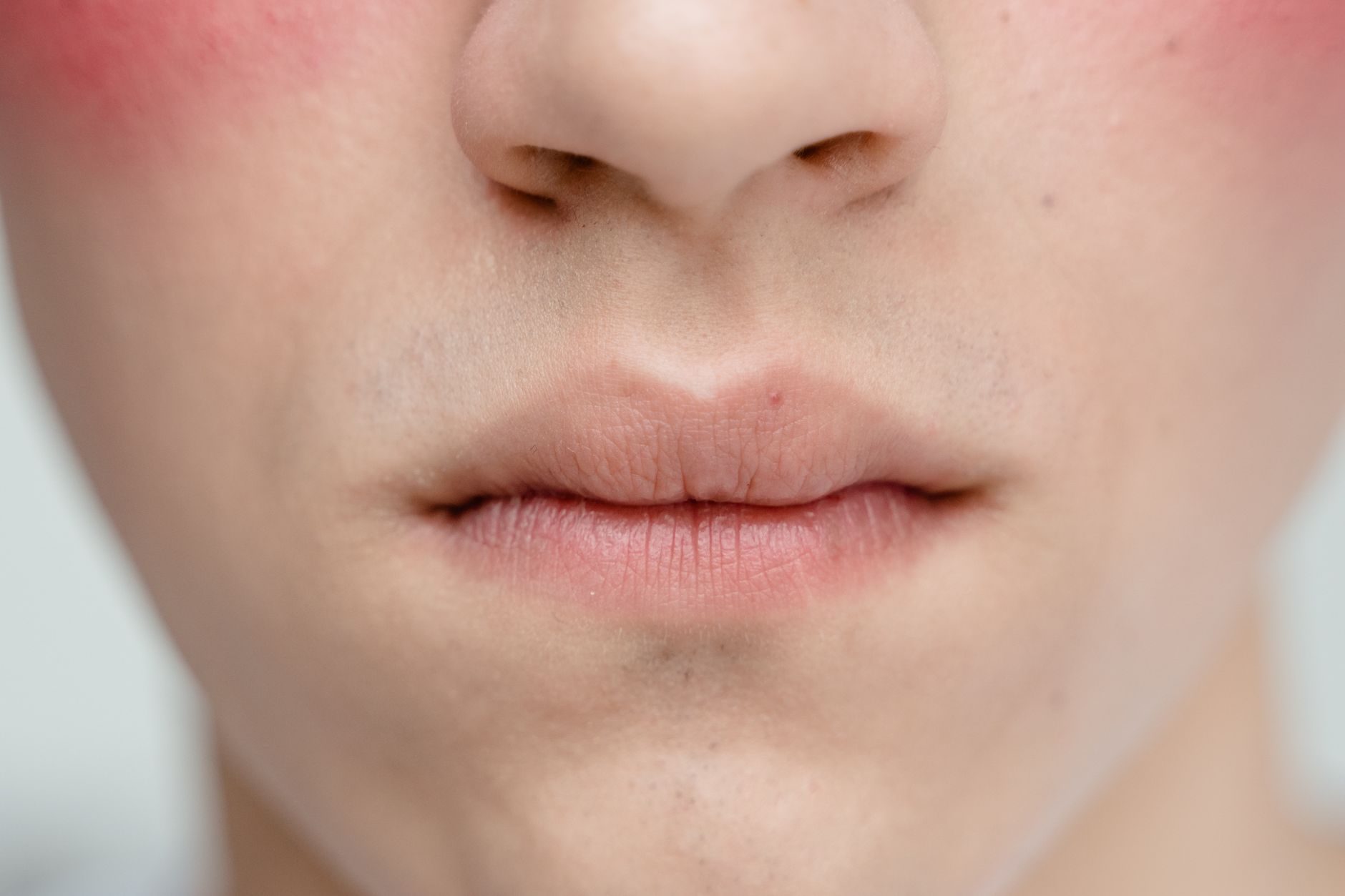

Oil buildup, clogged material, uneven texture, and reduced firmness can make follicle openings look wider and more noticeable. You cannot erase pores or make their structure stay smaller for life, but you can reduce the features that draw attention to them across your nose, cheeks, forehead, and chin.
Your routine, skin type, acne history, and sun exposure all shape pore appearance versus pore size. The steps below help you choose gentler care without roughing up your skin.
Pore Appearance Differs From Pore Size
Each visible dot on your face connects to a hair follicle and a sebaceous gland. That gland releases sebum, your skin’s natural oil, which limits water loss and keeps the surface flexible.
Pores do not work like tiny doors. Steam does not open them, cold water does not close them, and skincare cannot remove follicle openings from your face. A cool rinse can feel pleasant, but it does not change pore structure.
Visible Changes Happen Around the Opening
A pore stands out when its rim catches light, fills with oil, or sits beside rough skin. Makeup can settle around that uneven surface, leaving your skin less smooth by midday.
You can change the visible features around an opening, including surface oil, comedones, flaky buildup, and loss of firmness. That is the practical meaning behind how to reduce pore appearance.
For example, a nose with dark blackheads can look dotted even though the follicle openings have not changed suddenly. Clearing congestion changes what you see, not the basic anatomy beneath it.
That baseline is shaped largely by sebum production and inherited skin traits.
Oil Production and Genetics Set Your Starting Pattern
The central face contains a dense concentration of sebaceous glands. Your nose, forehead, chin, and inner cheeks can draw attention in a magnifying mirror because genetics and skin type shape that baseline.
Sebum Draws Attention to Follicles
Higher sebum production leaves more oil inside and around a follicle. The oil reflects light and mixes with shed cells, so an opening can look broader than smooth, even skin.
You can have visible pores without poor skincare habits or acne. A naturally oily T-zone can keep the same pattern for years while your outer cheeks stay less shiny and less textured.
Sudden Texture Changes Need Closer Attention
A stable pattern differs from rough, newly noticeable openings near repeated breakouts. Inflammation, irritation, or acne marks can alter the skin around a follicle and make its edges more visible.
Check the timing and location. Your skin deserves closer attention after picking, a harsh product, or recurring painful bumps changes one area. That distinction points toward congestion, irritation, or skin injury rather than genetics alone.
Congestion, Acne, and Sun Damage Change the Surface
Oil becomes easier to see after it mixes with dead skin cells inside a follicle. That plug is a comedo, and an open comedo darkens at the surface through oxidation, forming a blackhead.
Clogs Alter What You See
| Skin change | What happens in the follicle | What you see |
|---|---|---|
| Excess sebum | Oil pools near the opening | Shine and clearer texture |
| Blackheads | Oil and shed cells form an open comedo | Dark dots that draw attention to pores |
| Inflammatory acne | Swelling disrupts nearby skin | Redness and uneven texture |
| Sun damage | Collagen and elastin fibers weaken over time | Less firm-looking cheeks and clearer openings |
Blackheads are not trapped dirt. Their dark color comes from material at the skin surface reacting with air, so aggressive scrubbing will not remove the plug.
Acne and Collagen Loss Leave Shadows
Repeated acne can alter follicle walls and leave scars that pull or dip the surrounding skin. Your pores can then appear larger because shadows collect in those shallow depressions.
Sun damage adds another cause. Skin aging and collagen loss reduce the tension around follicles, while ultraviolet exposure weakens collagen and elastin over time. Your cheeks can look less firm, making openings and shallow scars catch more light.
Do not squeeze a blackhead until your skin turns red or sore. Pressure can inflame the follicle, leave a mark, and leave the area rougher for days.
A Calm Routine Reduces Congestion and Rough Texture
Removing the daily film of sunscreen, makeup, sweat, and oil gives active ingredients a cleaner surface. Skincare for visible pores starts with gentle cleansing because friction and stripping can trigger irritation.
Gentle Cleansing Protects Your Barrier
Use lukewarm water and a mild cleanser at night, then rinse without washcloth scrubbing. Your skin barrier holds water in and blocks irritants, so a tight, squeaky feeling signals that cleansing was too harsh.
Morning cleansing can stay light. Dry or sensitive skin can do well with a water rinse, while a very oily face can need a mild cleanser before sunscreen.
Salicylic Acid Loosens Oil-Based Clogs
Salicylic acid is oil-soluble, so it can move into oily material inside a follicle. It can improve blackheads and clogged areas by loosening the mixture of sebum and dead cells.
Start salicylic acid on two or three nonconsecutive days each week, then watch for stinging, peeling, or lasting redness. Your sensitive skin needs slower exfoliation, not a stronger acid.
Retinoids Improve Cell Shedding Over Time
Topical retinoids help normalize how skin cells shed within the follicle. They can improve comedones and uneven texture over time; prescription examples include tretinoin, sold under names such as Retin-A, and tazarotene, sold as Tazorac.
Use a pea-sized amount across your whole face at night rather than placing thick layers over each pore. Dryness and peeling can appear during the adjustment period, so a slower schedule or a dermatologist’s plan can protect your skin.
Protecting sensitized skin from ultraviolet exposure also helps prevent further loss of structural support.
- Cleanse gently Remove daily buildup without brushes, grainy scrubs, or hard rubbing.
- Add one active Start salicylic acid or a retinoid alone so you can spot irritation.
- Moisturize afterward A plain moisturizer reduces dryness that can make texture look sharper.
- Leave clogs alone Repeated squeezing can turn a clogged opening into an inflamed one.
- Watch your skin Your face should feel calm between applications, not raw or burning.
Sun Protection Preserves Support Around Follicles
Collagen loss from ultraviolet exposure builds over years, not after one bright afternoon. Broad-spectrum sunscreen limits further photoaging, which matters because less elastic cheek skin can make openings look clearer.
Repeatable Habits Matter More Than Texture Trends
Your sunscreen needs to fit a routine you can repeat. Choose a broad-spectrum formula with SPF 30 or higher, use it on exposed facial skin each morning, and reapply during extended outdoor time.
Acne-prone skin can look for noncomedogenic sunscreen labeling, meaning the formula is less apt to clog pores during product evaluation. An oil-free sunscreen can feel lighter on your shiny T-zone, though oil-free alone does not promise clear skin.
Niacinamide Can Calm Surface Oiliness
Niacinamide, a form of vitamin B3, can help with oiliness and barrier irritation. It does not shrink pore anatomy, but calmer skin with less surface shine can make texture less obvious to you.
La Roche-Posay and other skincare lines sell niacinamide formulas, but your ingredient list matters more than a brand name. Keep your routine short while adding niacinamide, especially beside acids or retinoids.
In the United States, sunscreen is regulated as an over-the-counter drug. Its role is limiting ultraviolet damage, not changing visible texture overnight.
Overcorrection Can Make Texture Look Worse
Raw, over-scrubbed skin reflects light unevenly and can sharpen the texture you wanted to soften. Harsh astringents, abrasive walnut-shell scrubs, pore vacuums, and repeated extraction trade short-lived smoothness for irritation.
Several Habits Can Backfire
- Harsh daily scrubs Rough particles can irritate your skin without clearing material inside follicles.
- Alcohol-heavy toners Excess dryness can leave your face tight, flaky, and visibly uneven.
- Frequent extraction Nails and metal tools can injure your skin and deepen post-acne marks.
- Stacked active products Acid, retinoid, scrub, and mask use during one night raises irritation risk.
- Homemade acid mixtures Kitchen acids and strong home peels have unpredictable strength on facial skin.
Burning, swelling, cracked skin, or a rash is a stop sign. Pause the active product and seek clinical advice when the reaction does not settle.
Dermatology Care Targets Texture and Acne
| Concern | Dermatology option | Trade-off |
|---|---|---|
| Persistent blackheads | Prescription retinoid or professional extraction | Dryness or irritation can occur |
| Acne scars | Microneedling, laser procedures, or chemical peels | Results vary and repeat visits can be needed |
| Inflammatory acne | Prescription acne care | Your plan depends on acne type and skin sensitivity |
| Product irritation | Dermatologist review of your routine | Actives can need a pause or slower schedule |
Care options for large pores can improve scar texture or congestion for some skin types, yet no procedure removes follicle openings. A dermatologist is your next step for painful acne, lasting blackheads, visible scars, or skin that reacts badly to over-the-counter actives.
Bottom Line
Your face is not failing because pores show in daylight or under makeup. Genetics and sebum production set your baseline, while congestion, acne, collagen loss, and sun exposure shape what you see.
Gentle cleansing, targeted salicylic acid or retinoids, moisturizer, and daily sunscreen can improve texture over time. Your goal is calmer, smoother-looking skin rather than harsh fixes that leave your face irritated.
FAQ
What causes enlarged pores on the face?
Visible follicle openings reflect genetics, active sebaceous glands, and higher sebum production, especially across your nose and central cheeks. Blackheads, acne inflammation, scarring, aging, and sun damage can also leave the surrounding surface uneven, drawing more attention to each opening.
Can pores get smaller over time?
No skincare product can change follicle structure for life. You can reduce oil, comedones, rough texture, and sun-related loss of firmness, so your pores look less prominent during daily wear and under makeup.
Does salicylic acid help reduce the appearance of pores?
Salicylic acid can improve the look of clogged, oil-prone pores because it loosens sebum and dead cells inside the follicle. Your results depend on steady, gentle use; too much exfoliation can cause peeling and make texture stand out.
Do retinoids make pores look smaller?
Retinoids do not alter pore anatomy, but they can improve comedones and uneven skin texture over time. Your face can look smoother as clogged follicles clear, though dryness and irritation call for a slower schedule or clinical guidance.
Why do pores look larger with age?
Skin elasticity declines as collagen and elastin fibers lose strength through aging and accumulated ultraviolet exposure. Your cheeks then have less firm structure around each follicle, making pore edges and shallow acne scars catch more light.
Which dermatology treatments help visible pores?
A dermatologist can use prescription retinoids for comedones or discuss microneedling, laser procedures, chemical peels, and scar-focused care for uneven texture. Your suitable option depends on whether oil, acne, scars, irritation, or photoaging makes the openings stand out.