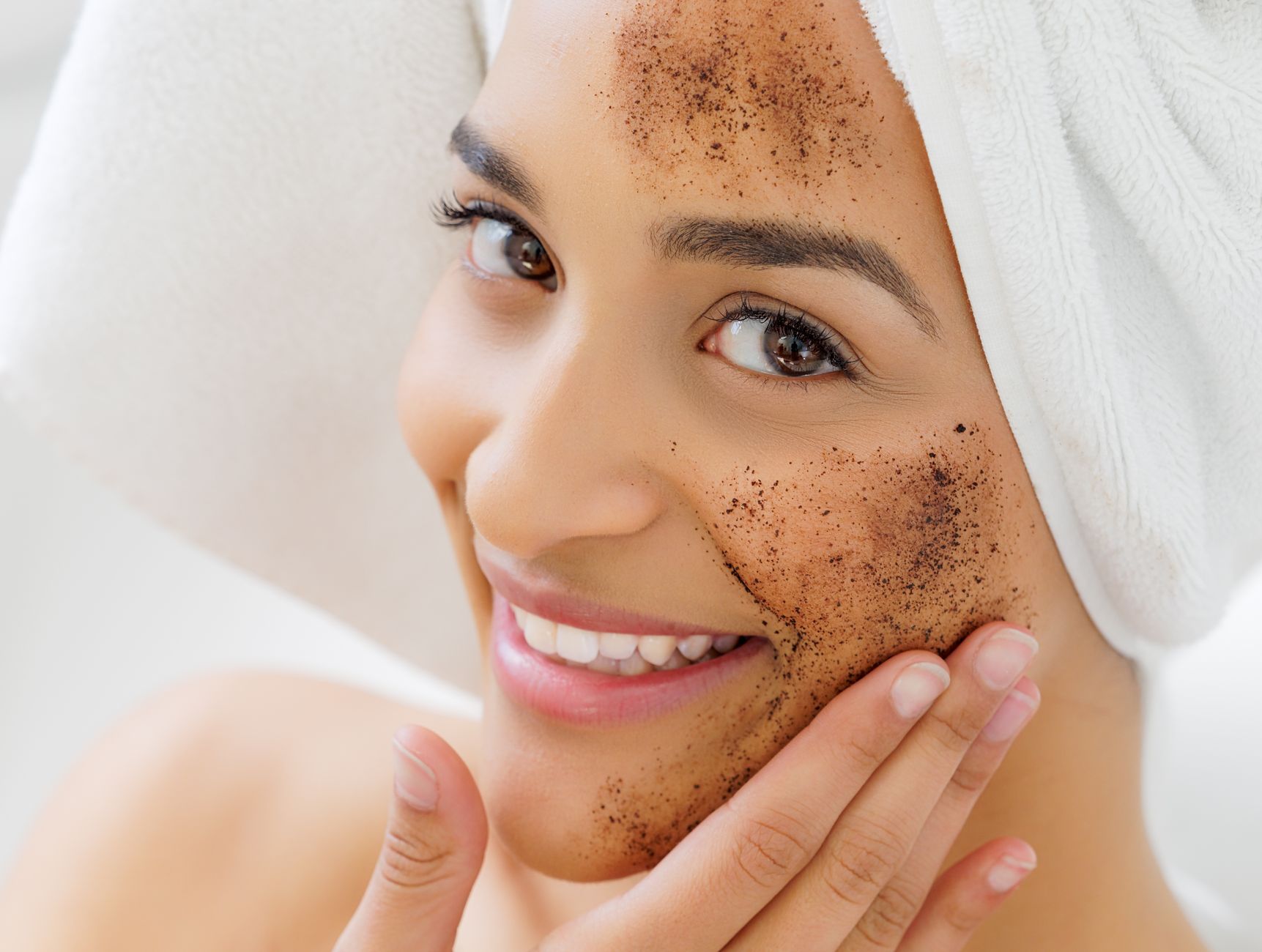

Acids and enzymes loosen dead surface cells, while gentle friction lifts them away. Acids work without scrubbing, while a cloth, scrub, or brush gives immediate smoothing. Your skin barrier responds to pressure, acid strength, and frequency.
This comparison explains how each method works, which concerns each method suits, and how you can avoid roughness, redness, and over-exfoliation in your routine.
Exfoliation Removes Surface Cell Buildup
Makeup catching on dry patches, a grayish cast, and a sandpaper-like feel can signal excess dead cells on the skin’s surface. Skin sheds cells through its normal turnover cycle, yet some cells stay attached longer and leave uneven texture behind.
Your face does not require exfoliation for healthy function. It is an optional step for dullness, rough patches, or clogged pores, and daily exfoliation can leave skin flaky, tight, or rougher than before.
The Skin Barrier Sets Your Limit
The skin barrier is the outer layer that holds water in while blocking irritants. Skin cells act like bricks, and lipids fill the spaces between them. Harsh rubbing or strong acids can disrupt that structure.
Retinoids, benzoyl peroxide, shaving, dry winter air, and eczema-prone skin leave your routine with less room for error. A strained barrier can sting from products that felt comfortable before, so your exfoliation schedule needs restraint.
Friction and Acids Work in Different Ways
A damp washcloth can lift loose flakes in less than a minute, while an acid serum works without rubbing. Physical exfoliation removes surface cells through friction. Chemical exfoliation loosens the bonds between surface cells so they shed during cleansing or normal turnover.
| Feature | Physical exfoliation | Chemical exfoliation |
|---|---|---|
| How skin sheds cells | Friction from particles, cloths, brushes, or cleansing tools | Acids or enzymes loosen cellular bonds without scrubbing |
| What you feel | Your skin can feel smoother immediately after gentle use | Your results build across repeated, tolerated use |
| Main control point | Your pressure, rubbing time, and particle shape matter | Your formula, acid strength, and schedule matter |
| Frequent mistake | Scrubbing hard over dry or irritated areas | Layering several active leave-on treatments |
Physical exfoliation includes sugar scrubs, Jojoba beads, textured cloths, cleansing brushes, and abrasive particles. Round, soft Jojoba beads create less friction than jagged shell fragments, yet your pressure still decides whether skin feels smooth or irritated.
Chemical exfoliants include alpha hydroxy acids (AHAs), beta hydroxy acids (BHAs), polyhydroxy acids (PHAs), and enzymes from papaya or pineapple. A leave-on formula stays on your skin longer than a rinse-off cleanser, so strength and frequency need extra care.
Chemical vs physical exfoliation is not a contest with one winner. You get immediate surface smoothing from a gentle physical exfoliant, while acids give you a concern-specific path for oiliness, visible discoloration, or persistent congestion.
Acid Type Shapes the Target Area
Water and oil move through skin differently, and acid type follows that divide. AHAs work mainly across the outer surface. BHA, meaning salicylic acid, is oil-soluble and can move into oil-lined pores.
AHAs Focus on Surface Texture
Glycolic acid has a small molecular size and is used for dullness, rough texture, and visible uneven tone. Lactic acid also works at the surface and can feel less sharp for some skin types. Mandelic acid has a larger molecular size than glycolic acid, which can make it feel slower on your skin.
Your dry, rough cheeks may respond better to a gentle AHA than to a grainy scrub. Glycolic acid can still cause stinging, peeling, redness, and irritation at a strength or schedule that your skin does not tolerate.
BHA Reaches Oil-Lined Pores
Salicylic acid dissolves in oil, so it can exfoliate within clogged pores rather than only across the surface. That trait makes it a common route for acne-prone skin, blackheads, shine, and small bumps around the nose or chin.
Acne has several causes, including oil, inflammation, bacteria, and pore blockage. Salicylic acid can reduce buildup inside clogged pores, but it does not promise clear skin or replace medical care for painful, scarring, or persistent breakouts.
PHAs Take a Gentler Surface Route
Polyhydroxy acids, or PHAs, have larger molecules than many AHAs. Gluconolactone and lactobionic acid are two examples. Their larger size keeps activity closer to the skin surface, which can suit skin that reacts poorly to stronger acids.
Your skin can still become dry or sore with PHAs. Gentler describes a formula tendency, not permission for daily use or aggressive layering.
Skin Concerns Guide the Practical Choice
Blackheads around your nose call for a different route than a one-day flaky patch beneath foundation. The useful choice follows your main concern, your tolerance, and the rest of your routine.
| Your concern | A useful starting route | Limit to respect |
|---|---|---|
| Loose flakes before makeup | A soft damp cloth or mild scrub on comfortable skin | Skip pressure and avoid irritated areas |
| Dullness and uneven skin texture | A low-strength AHA such as lactic acid | Start slowly with one leave-on treatment |
| Blackheads and oiliness | Salicylic acid for pore-focused exfoliation | Do not expect an acne cure from exfoliation alone |
| Stinging, peeling, or eczema-prone skin | No exfoliation, or a cautious PHA routine after skin settles | Friction and strong acids can worsen barrier stress |
Scrubs are not automatically bad for your face. Fine Jojoba beads used with light fingertips can suit occasional surface smoothing. Walnut shell powder, salt crystals, hard brushes, and vigorous rubbing bring more abrasion than easily irritated skin can handle.
Your answer to which exfoliation method is better for sensitive skin is usually less friction and fewer active steps. A mild acid at low frequency, or no exfoliation during a flare, gives your skin fewer sources of stress than a forceful scrub.
Burning is not proof that an exfoliant is working. Persistent stinging signals that your skin needs less exposure, not more intensity.
A Conservative Routine Limits Over-Exfoliation
Stacking an acid toner, a scrub, and an exfoliating brush can turn a smooth-skin goal into peeling within days. Start with one method, then watch how your skin feels across several uses before changing the schedule.
- Start below labels: Use a new exfoliant less frequently than the maximum label schedule while your skin adjusts.
- Choose one method: Keep acids, scrubs, brushes, and peeling pads in separate routines unless a dermatologist gives you a specific plan.
- Cleanse gently: Pick a mild cleanser without gritty particles on exfoliation days to reduce total friction.
- Moisturize afterward: Apply a plain moisturizer to reduce tightness and water loss after surface cells shed.
- Wear sunscreen daily: Broad-spectrum sunscreen shields newly exposed surface cells, especially after AHA or BHA use.
How often should you exfoliate your face depends on tolerance rather than a fixed calendar. Resilient, oily skin may tolerate more sessions than dry, sensitive, or compromised skin. Your comfort between uses matters more than reaching a preset number.
Morning sunscreen matters after chemical exfoliation. AHAs can raise sun sensitivity, and unprotected UV exposure can deepen visible discoloration that you hoped to fade.
If sensitivity appears despite those precautions, continuing to exfoliate can prolong barrier stress rather than improve results.
Irritation Calls for a Pause and Simpler Routine
Skin rarely hides over-exfoliation for long. Persistent stinging, redness, tightness, dryness, peeling, tenderness, or sudden reactivity to a familiar moisturizer point to a skin barrier that needs a break.
A Short Reset Reduces Extra Stress
Pause scrubs, acids, exfoliating pads, and brushes. Use a gentle cleanser, bland moisturizer, and daytime sunscreen until your skin feels calm again. Skip new actives during that reset because every added formula makes the source of irritation harder to trace.
Your dermatologist can sort out severe, worsening, painful, swollen, or long-lasting symptoms. Deep cysts, a spreading rash, or cracked skin need more than a stronger exfoliant.
Tolerance Matters More Than Intensity
Occasional loose flakes may respond to controlled friction, whereas oiliness, clogged pores, dullness, or uneven tone may respond better to chemical exfoliants. Neither route earns points for discomfort.
Pressure is the hidden variable in a facial scrub, while concentration and contact time shape an acid formula. Your skin gives the final verdict through calm texture, normal comfort, and no lingering sting.
Final Thoughts
Exfoliation works best as a measured adjustment rather than a daily challenge. Choose friction for light, occasional surface polishing, and choose acids or enzymes for a specific texture or pore concern. Your skin barrier sets the real boundary: calm, comfortable skin is a stronger sign than a tight, squeaky-clean finish.
FAQ
Is chemical exfoliation better than physical exfoliation?
Chemical exfoliation suits blackheads, oiliness, dullness, and uneven tone because acids work without rubbing. Physical exfoliation suits occasional loose flakes and immediate smoothing, but your pressure and particle shape can raise irritation risk.
What is the difference between an AHA and a BHA?
AHAs such as glycolic acid and lactic acid are water-soluble and work mainly at the skin surface. BHA refers to salicylic acid, an oil-soluble exfoliant that can work inside pores, which makes it useful for your blackheads and oiliness.
Can physical exfoliation damage your skin barrier?
Harsh particles, heavy pressure, prolonged rubbing, and frequent use can disrupt the skin barrier. Your face is more vulnerable after shaving, during dry weather, or alongside strong active treatments such as retinoids.
Which exfoliation type suits acne-prone skin?
Salicylic acid is a practical chemical exfoliant for acne-prone skin because it is oil-soluble and works within clogged pores. Your acne may still need separate care, particularly with deep, painful, scarring, or persistent breakouts.
Can you use chemical and physical exfoliants together?
You can use both in a broader routine, but not in the same session at the start. Separate them across different days, keep each method gentle, and stop either method once your skin becomes tight, stingy, or flaky.
What schedule suits sensitive skin exfoliation?
Starting with infrequent use and adjusting according to comfort helps minimize irritation in sensitive skin. Start far below the label maximum, choose one mild method, and pause at the earliest sign of irritation rather than pushing through it.