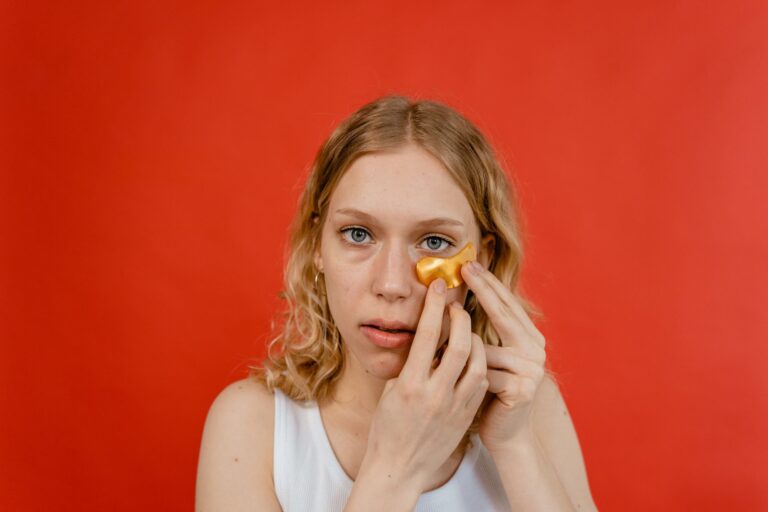
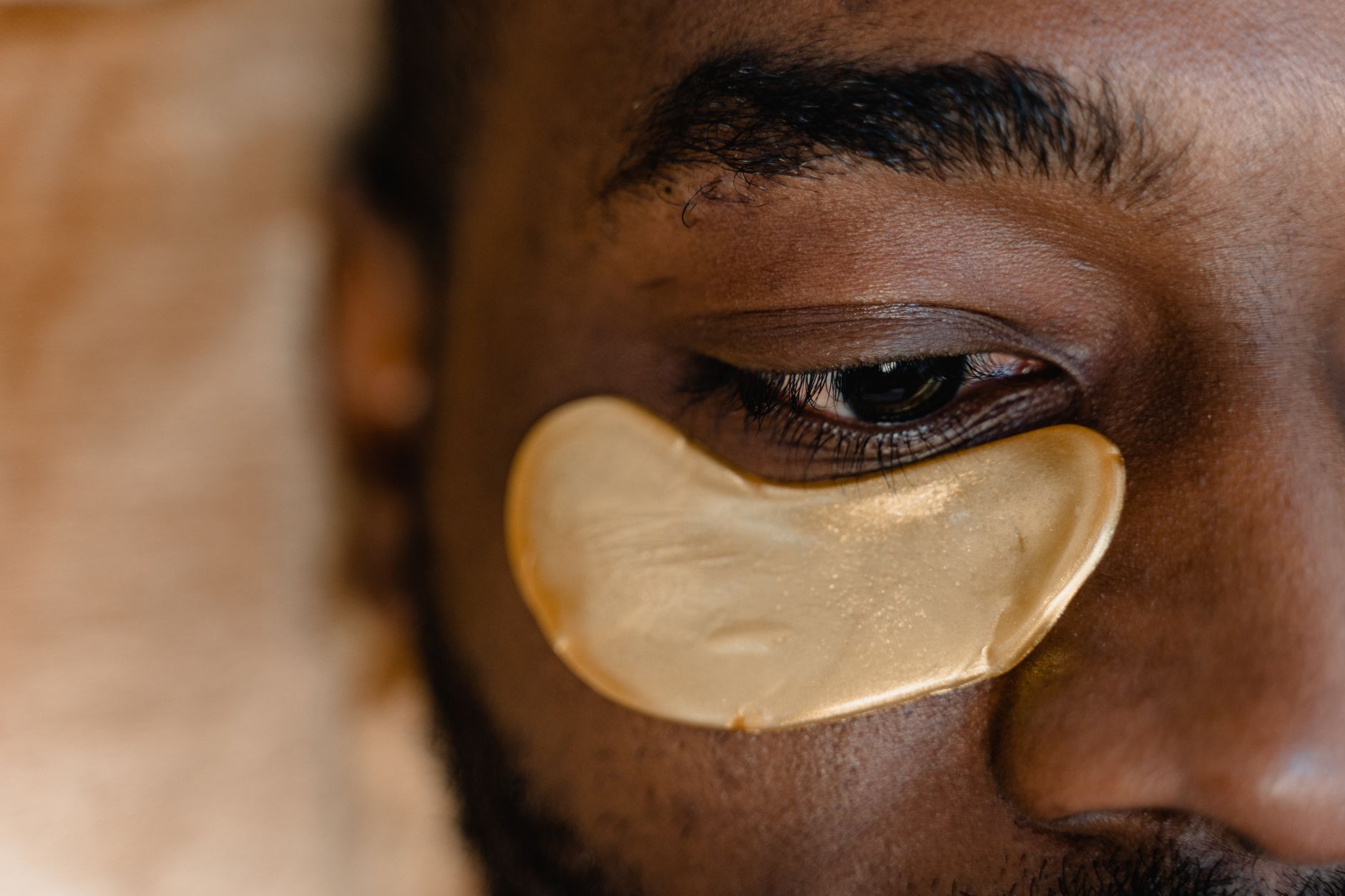

Pigment, thin skin, visible vessels, facial hollows, and temporary swelling can combine to darken the lower lids. Your pattern can persist after restful sleep because color and shadow do not share the same source.
The details below sort lasting traits from short-term triggers, then show you what home care can change and which symptoms merit clinical input.
Dark Circles Can Come From Color, Vessels, or Shadow
The skin beneath your eyes is thinner than cheek skin, so changes beneath the surface show more clearly. Visible blood vessels can appear blue or purple, extra melanin can look brown, and a hollow beneath the lower lid can cast a darker line.
Periorbital hyperpigmentation means increased pigment around the eye area. Your under-eye darkness may also reflect more than one source, such as brown pigment over a tear trough hollow.
Color and shadow leave different visual clues
Brown discoloration tends to stay visible across several lighting conditions, while a structural shadow shifts as light moves across your face. Thin under-eye skin can expose vessel color, especially around the lower lid where skin has little cushioning.
Tear trough hollows sit between the lower eyelid and upper cheek. Your face can look more tired under ceiling lights because the hollow catches less light than the surrounding skin.
| Visible pattern | Likely source | Clue for you |
|---|---|---|
| Brown or gray-brown | Melanin production or prior irritation | Your color remains visible near a window and in indoor light. |
| Blue or purple | Thin under-eye skin and visible blood vessels | Your color can look stronger during fatigue, paleness, or congestion. |
| Deep line or crescent | Tear trough hollow and facial shadow | Your darkness shifts after you tilt your face toward light. |
| Darkness with puffiness | Fluid retention or irritation | Your lower lids look fuller after sleep or during an allergy flare. |
Example: A brown patch that stays steady in daylight points more toward pigment than a hollow. A trough that softens beside a window but deepens under overhead lighting points toward facial anatomy, so your next step depends on the feature you see.
Genetics, Facial Anatomy, and Aging Set a Baseline
Light can reveal a hollow, but inherited traits set much of the resting appearance beneath your eyes. Genetics and inherited facial anatomy influence skin tone, pigment activity, skin thickness, and the shape of the lower lid and cheek.
Inherited features shape resting under-eye color
Your answer to “why do I have dark circles under my eyes” can begin with family traits. You could have a deeper groove below the lower lid, naturally thinner skin, or pigment that becomes more visible after mild irritation or sun exposure.
Sleep does not erase a structural shadow. A brightening product can soften some brown discoloration, yet it cannot add volume to a tear trough hollow or alter your bone structure.
Aging changes skin thickness and facial volume
Collagen gives skin density and support. Aging and collagen loss can make under-eye skin thinner while the upper cheek loses fullness, leaving vessels easier to see and the lower-lid groove more defined.
Those changes can make you look tired on a calm morning. Your shadow may come from facial contours rather than a sign that your body needs more sleep.
Even when anatomy sets the underlying shadow, poor sleep, congestion, and irritation can make it more noticeable.
Sleep Loss, Allergies, and Irritation Can Deepen the Appearance
Inherited color and facial shape form the baseline, while temporary swelling can raise the contrast. Sleep deprivation and fatigue can leave your complexion paler, make lower lids puffy, and deepen a preexisting hollow.
Fatigue changes appearance without explaining every case
Sleep loss can make darkness more visible, especially after several short nights, but it does not explain every lasting pattern. Your baseline color can still come from pigment, vessel visibility, or facial hollows.
Alcohol, smoking, and dehydration can add to a worn-out appearance. A salty restaurant meal, two drinks, and a late bedtime can leave your lower lids puffy the next morning, though those factors do not form a lifelong tear trough.
Allergic shiners start with congestion and rubbing
Slowed blood flow around the nose and eyes can create blue-purple tones known as allergic shiners when allergies cause congestion and rubbing. Itching, watery eyes, and rubbing can keep fragile eyelid skin irritated.
- Seasonal congestion: Pollen-related stuffiness can make vessels beneath your eyes appear darker during allergy season.
- Frequent rubbing: Rubbing itchy eyes irritates thin eyelid skin and can leave darker marks after inflammation settles.
- Eczema flares: Eczema and contact dermatitis can leave post-inflammatory hyperpigmentation after dry, itchy skin improves.
- Cosmetic irritation: Fragrance, nail products, or eye cosmetics can trigger eyelid dermatitis on sensitive skin.
- Repeated wiping: Rough tissues can inflame skin at the inner corners and lower lids after watery eyes.
Persistent itching, scaling, burning, or cracked eyelid skin deserves clinical review. Avoid strong acne creams, acids, and retinoids near irritated eyelids because they can worsen skin-barrier damage.
Addressing congestion and friction can calm an allergy-related pattern. Your clinician can separate allergic rhinitis from eczema, contact dermatitis, or another source of repeated eyelid irritation.
Color, Timing, and Symptoms Can Clarify the Pattern
Lighting exposes the difference between pigment and contour. Daylight reduces overhead shadowing, while bathroom lighting can exaggerate a hollow and make a structural issue look like darker pigment.
Short-term changes point toward triggers
Your under-eye area can shift after poor sleep, alcohol, dehydration, crying, or a high-salt dinner. Allergy flares create another pattern: congestion, itching, and puffiness rise together, then ease as the flare settles.
Longstanding brown discoloration that changes little from week to week points more toward pigment or inherited traits. A cool purple cast that becomes stronger during nasal congestion points more toward visible blood vessels and venous congestion.
A focused mirror check separates common patterns
- Check daylight: Stand near a window and see whether the dark area softens as shadows move away from your face.
- Track puffiness: Watch for fuller lower lids after sleep, salty food, alcohol, or crying.
- Watch congestion: Compare darker color with sneezing, stuffiness, itchy eyes, or pollen exposure.
- Inspect texture: Look for dryness, flaking, redness, or scratch marks around your eyes.
- Review sun exposure: Brown pigment that deepens after outdoor time points toward melanin production.
- Compare photos: A similar trough in photos years apart suggests anatomy rather than a new health concern.
Example: Brown color plus a deep groove can mean two overlapping sources. Your routine can calm puffiness and limit pigment darkening, but the contour can still cast a line until lighting changes or cosmetics soften the contrast.
Once the likely driver is clear, daily measures can reduce swelling and prevent avoidable pigment worsening.
Targeted Habits Can Soften Puffiness and Pigment Triggers
The mirror check shows where home care has a realistic role. Gentle habits can calm swelling, irritation, and pigment triggers, while a structural shadow calls for realistic expectations from you.
Sun protection limits melanin stimulation
Sun exposure and melanin production are closely linked, so ultraviolet light can deepen brown under-eye pigmentation. Apply broad-spectrum sunscreen around your orbital bone each morning, keep it out of your eyes, and wear sunglasses or a brimmed hat outdoors.
Your eyelid skin needs a light touch. Cleanse with lukewarm water, pat dry instead of rubbing, and stop using products that cause stinging, peeling, or redness around your eyes.
Daily habits address temporary swelling and irritation
- Keep sleep steady: A consistent sleep schedule can lessen the pale, puffy appearance linked with fatigue.
- Address allergies: Follow medical guidance for nasal congestion and avoid rubbing itchy eyes.
- Use cool cloths: Hold a clean, cool cloth on lower lids for a few minutes to calm temporary morning puffiness.
- Drink fluids regularly: Hydration can improve dullness from dehydration, though water does not fill hollows.
- Limit smoking: Tobacco smoke contributes to dullness and collagen loss in your skin.
- Use concealer strategically: Color-correcting makeup can disguise blue, purple, or brown tones without changing anatomy.
How to reduce dark circles under the eyes depends on the pattern you identified. Cosmetics can disguise shadow, cool cloths can calm swelling, and sun protection can limit pigment darkening, but none of these steps changes a genetic hollow.
When persistent changes occur alongside symptoms beyond the eye area, cosmetic care should not replace medical assessment.
Skip harsh scrubs and strong active products near your lash line. Calmer skin matters because repeated irritation can leave pigment that remains after the original flare fades.
Persistent Changes Need Medical Review With Broader Symptoms
Home care has limits, especially when darker under-eyes appear with symptoms beyond the mirror. Causes of dark circles under the eyes do not diagnose iron-deficiency anemia, vitamin deficiencies, or another medical condition on their own.
Whole-body symptoms change the decision
Pallor, ongoing fatigue, shortness of breath, unexplained swelling, weight change, fever, or a sudden appearance change deserve a primary-care visit. Your clinician can review your history and decide whether blood work or another evaluation fits your symptoms.
Iron-deficiency anemia can contribute to paleness and fatigue, making vessels and shadows beneath your eyes stand out. Your under-eye color cannot confirm iron status, so iron pills without medical guidance are not a substitute for evaluation.
Skin concerns can benefit from dermatology care
A dermatologist can separate pigment from eczema, allergic contact dermatitis, visible vessels, and structural shadowing. Your visit is especially useful for persistent brown marks, recurring eyelid rash, or darkness that began after a new cosmetic or skin-care product.
Color, contour, timing, and accompanying symptoms give your clinician useful context. Seek primary care for body-wide symptoms and dermatology care for lasting pigment or irritation concerns.
Key Points for Your Next Step
Dark circles are not a moral report card on your sleep. Your face can show pigment, thin skin, visible vessels, puffiness, and hollows at the same time, so a targeted response fits better than a single remedy.
Calm irritation, protect skin from sun exposure, address congestion, and seek medical care for symptoms beyond under-eye appearance. Your goal is to identify the source that changes your appearance rather than blame every dark circle on fatigue.
FAQ
What are the most common causes of dark circles under the eyes?
The most common causes include brown pigment, visible blood vessels beneath thin under-eye skin, tear trough hollows, inherited facial features, aging-related volume loss, allergies, and irritation. Your appearance can reflect several factors at once, which explains why a single remedy can disappoint you.
What causes under-eye darkness?
Periorbital hyperpigmentation, thin skin, visible blood vessels, facial shadows, puffiness, and irritation can all contribute to a darker appearance below the eyes. The phrase “dark circles under eyes causes” covers these overlapping sources rather than one single condition.
Can lack of sleep cause dark circles under the eyes?
Sleep loss can make your under-eye area look paler, puffier, and more shadowed after several short nights. It does not explain every persistent case because your baseline color can come from genetics, pigment, vessel visibility, or a hollow that remains after rest.
Why do I have dark circles even when I get enough sleep?
Enough sleep does not remove inherited facial anatomy, tear trough hollows, thin under-eye skin, or brown pigment. Your darker area can remain visible after a full night because the source is structural or pigment-related rather than fatigue-related.
Are dark circles under the eyes genetic?
Yes, genetics can influence your skin tone, melanin production, under-eye skin thickness, vessel visibility, and the shape of your lower eyelid and cheek. A family pattern can leave you with dark circles despite solid sleep, hydration, and gentle skin care.
Can allergies cause dark circles under the eyes?
Allergies can darken your under-eye area through nasal congestion, watery eyes, rubbing, and irritation. Your color can look worse with sneezing, itching, or stuffiness, so addressing the trigger and limiting friction can calm the area.