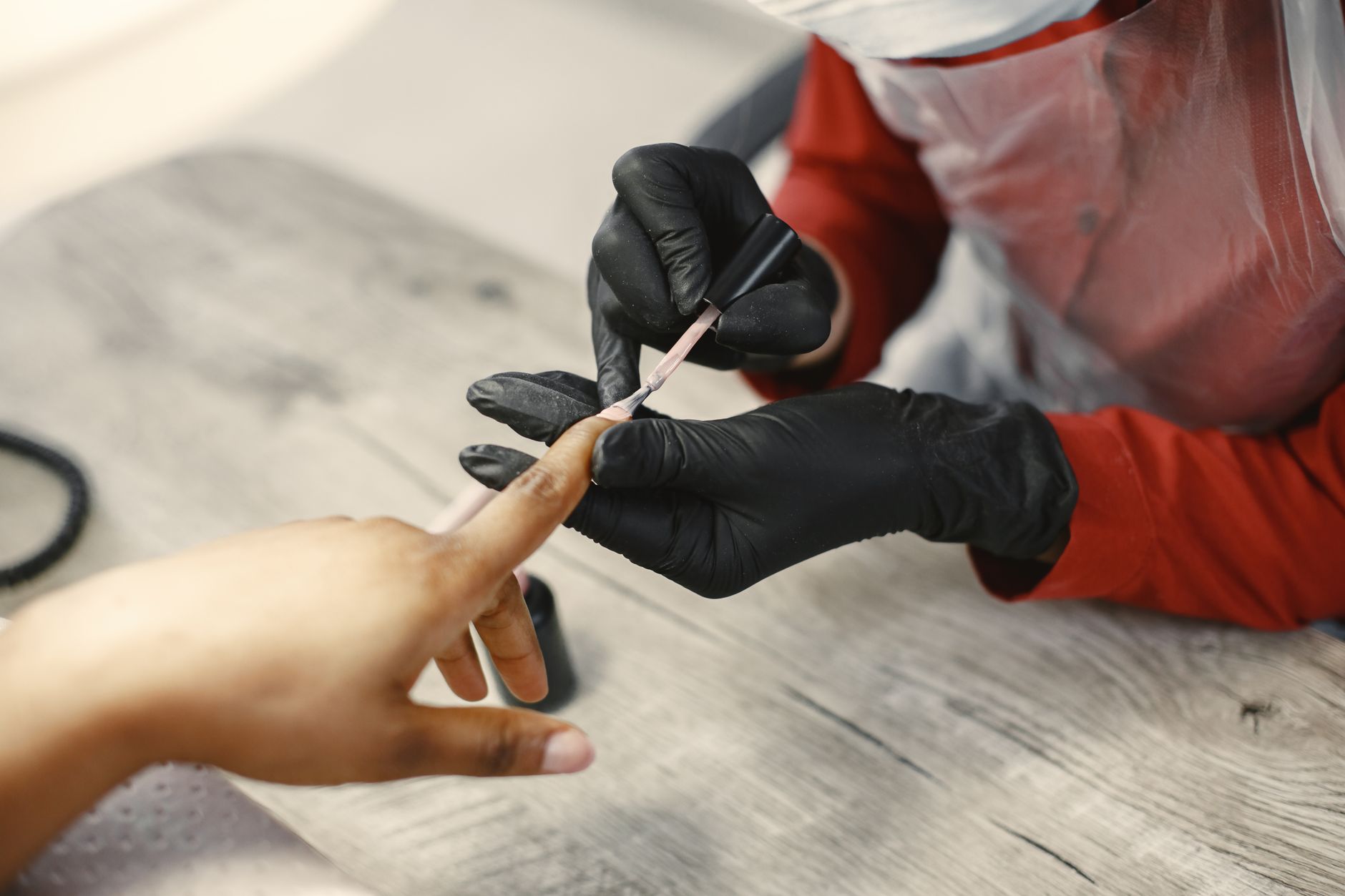

Repeated wetting, harsh chemicals, and minor trauma can dry, separate, or damage the nail plate, so reducing these stresses protects new growth as it replaces weakened length. Repeated wet-dry cycles, detergents, solvents, and rough grooming commonly lead to peeling, splitting, and breakage. Color, thickening, pain, or lifting needs medical attention.
This practical overview helps you separate routine nail wear from signs linked to skin conditions, nutrient concerns, thyroid disease, or nail fungus.
Brittle Nails Usually Start With Dryness and Surface Damage
A nail that peels into thin layers differs from one with a deep lengthwise crack. Brittle nails, also called brittle nails (onychorrhexis), can involve ridges, peeling tips, splits, cracks, and breakage before your nails reach the length you want.
The Nail Plate Depends on Flexible Keratin Layers
Compact layers of keratin,the tough protein also found in hair,give each nail its strength and flexibility. Those layers need a small amount of water and surface oil to bend under pressure. Repeated drying reduces flexibility, so a minor snag can pull the layers apart.
Peeling at the free edge starts with a tiny lifted layer. That edge catches on a towel, zipper, or package, then tears farther back. Your nails can look smooth after a manicure yet split during ordinary hand use.
Pattern Changes Can Point Beyond Surface Damage
Damage across several nails fits repeated exposure better than a single local disorder. In contrast, one nail that changes color, thickens, lifts, or grows in an unusual shape deserves closer attention because injury, onychomycosis (nail fungus), or a skin condition can affect one nail.
Fingernails grow slowly, so new habits cannot repair a split that is already present. You can shield the nail plate now, but visible change takes weeks, and damaged length can take months to grow past the fingertip.
That slow replacement rate explains why a brief break from harsh grooming rarely changes everything at once. Your focus should stay on reducing fresh damage near the nail base, where new nail material forms.
Water, Detergents, and Solvents Wear Down the Nail Plate
Daily exposure matters more than one rough afternoon because each soak changes the nail plate. Keratin layers absorb water and swell, then lose that water during drying. Repeated expansion and contraction leaves the free edge more prone to peeling.
Wet Work Produces Repeated Drying Stress
Frequent handwashing, dishwashing, healthcare shifts, food service, and cleaning work can leave nails dry and fragile. Hand sanitizer adds another drying exposure across a long workday. Your nails do not need a visible chemical injury to become more breakable.
| Exposure | What it does | Practical response |
|---|---|---|
| Dishwashing | Soaks nails while detergent strips surface oils | Wear dry gloves and moisturize afterward |
| Repeated handwashing | Creates recurring wet-dry cycles around the cuticle | Keep cream near your sink or work station |
| Cleaning products | Leaves the plate and nearby skin dry and irritated | Use gloves for longer cleaning tasks |
| Acetone remover | Removes polish and dries the nail surface quickly | Limit use and add moisture after removal |
Soaps and detergents remove oils from your skin and nail surface. Acetone-based nail polish remover dissolves polish quickly, yet repeated exposure can leave the nail plate dry and brittle. Your remover habits matter more than a single polish change.
Age Can Leave Nails Drier and Slower Growing
Age can narrow your margin for nail damage because nails can grow more slowly and become drier over time. A small split remains visible longer. Moisturizing and gentler filing can protect brittle nails without relying on a dramatic fix.
Water exposure starts the dryness, but mechanical force decides where a weakened edge breaks. Your sink-side routine and your grooming habits belong in the same plan.
Manicures and Everyday Trauma Can Turn Dry Nails Into Broken Nails
A peeled gel layer can pull away superficial pieces of the natural nail with it. Ordinary polish removed gently has less impact, while forceful removal, deep buffing, cuticle trimming, and picking can thin or roughen the surface.
Enhancements Depend on Gentle Removal
Gel polish, acrylic nails, and similar enhancements are not automatically harmful, but removal changes the result. Peeling material away can tear superficial keratin layers. Over-filing before each new application can leave your nails thin, sore, and prone to breakage.
Stop a salon service that causes burning, sharp pain, bleeding, or visible thinning. Your nail plate should not feel tender after routine grooming.
Cuticles are not extra skin to remove. They form a seal near the nail base, and aggressive trimming can leave small injuries around that seal. Eczema and irritation around the nail fold can follow, adding inflammation to an already dry surface.
Small Handling Changes Limit New Snags
- Keep length modest: Shorter nails have less leverage, so your tips are less likely to bend backward during daily tasks.
- File one direction: Use a fine file with gentle strokes from the edge toward the center instead of sawing back and forth.
- Skip nail tools: Use a key, opener, or proper tool for tabs and packages rather than your nail edge.
- Smooth rough spots: File a peeling edge rather than pulling it, since pulling can extend the split toward the nail bed.
- Pause enhancements: Give your nails time without repeated filing, extensions, or solvent-heavy removal.
For example, using a thumbnail to pry open a can puts force on the free edge, where layers are already dry. That one motion can start a split that travels toward the nail bed. Your aim is flexible strength, not hardness alone.
Hardening products can make nails feel firmer, yet a very rigid plate can snap under pressure. Gentle grooming fits brittle nails causes and treatment better than aggressive salon correction followed by another break.
When damage continues despite gentler care, the pattern may point beyond routine surface stress.
Persistent Nail Changes Need a Broader Health Review
Surface damage tends to grow forward with the nail, while disease-related changes can continue from the base or side. Brittle nails alone do not prove that you have a vitamin deficiency, despite the appeal of a simple supplement answer.
Nutrition and Hormones Can Affect Nail Growth
Iron-deficiency anemia can contribute to fragile or altered nails, especially alongside fatigue, shortness of breath, pallor, or restless legs. Hypothyroidism can affect hair, skin, and nail growth as well. Your clinician can decide whether your symptoms and health history justify blood work.
What deficiency causes brittle nails depends on the full pattern, not a nail photo. Low calorie intake, inadequate protein, iron deficiency, and other nutrition gaps can play a part, but diet changes or supplements need a clear reason rather than guesswork.
Fungus and Skin Conditions Have Different Clues
| Pattern | Possible source | Why an exam helps |
|---|---|---|
| Yellow or white discoloration, thickening, crumbling | Onychomycosis, or nail fungus | Fungal changes can resemble trauma or psoriasis |
| Pits, lifting, rough patches, inflamed skin | Psoriasis | Nail findings can occur with scalp or skin plaques |
| Itching, cracked nail folds, skin redness | Eczema or contact irritation | Skin care and trigger review matter alongside nail care |
| Spoon-shaped or unusually thin nails | Iron deficiency or other causes | Medical history guides targeted laboratory work |
New pain, persistent change, or an unusual nail shape deserves an examination rather than months of masking the problem. A clinician can inspect the nail bed and nearby skin, then decide whether a fungal sample or another assessment is needed. That approach aligns with guidance from the American Academy of Dermatology.
Biotin Is Not a Default Answer
Biotin supplements have limited evidence for unexplained brittleness. Biotin can interfere with some laboratory tests, including thyroid hormone and cardiac marker tests. Your clinician needs to know about biotin before blood work.
Food choices and medical evaluation make more sense than a blind supplement routine for brittle nails vitamin deficiency concerns. Biotin cannot correct fungal infection, psoriasis, repeated acetone exposure, or trauma from picking.
Once treatable causes are considered, daily protection helps prevent further damage while new nail grows.
A Consistent Protection Routine Supports Healthier Regrowth
After disease clues are absent or under review, your daily routine becomes more direct: reduce water and solvent stress while restoring surface moisture. New nail forms near the base long before it reaches the tip, so your habits need time to show in visible length.
Moisture Works Best After Exposure
Use a fragrance-free hand cream, ointment, or cuticle oil after handwashing and before bed. Massage it over each nail, cuticle, and sidewall rather than spreading it only across your palms. Your surrounding skin benefits too, since cracked nail folds can become irritated.
Petrolatum-based ointment stays on longer at night, while cream is easier to keep near a desk or sink. Cuticle oil can soften the nail edge, but it does not replace protection from detergents. Choose a texture that fits your daily routine.
Gloves Work Only While They Stay Dry Inside
- Wear household gloves: Put them on for dishes, bathroom cleaning, and tasks that keep your hands wet for several minutes.
- Change damp pairs: Moisture trapped inside gloves softens skin and can worsen irritation around your nails.
- Keep cream nearby: Store moisturizer in a bag, locker, or work area after repeated handwashing.
- Space remover sessions: Reduce acetone exposure where practical and moisturize after polish removal.
- Choose gentle grooming: Trim, file, and smooth snags instead of buffing the whole plate or using harsh hardeners.
A healthcare worker cannot stop frequent handwashing during a shift. You can limit extra damage by using cream after work and wearing protective gloves for tasks that allow them. That routine respects the realities of your job while reducing avoidable wet work.
Give your routine one full growth cycle to show its value. Fewer new splits near the base and stronger length farther out are useful signs that your routine is working.
Clear Warning Signs Mark the Need for Medical Evaluation
A routine cannot explain away a dark streak or a nail that abruptly lifts from its bed. Those changes need clinical attention, especially where one nail looks different from the rest.
Symptoms That Need Prompt Review
- Pain or swelling: Tenderness, warmth, drainage, or swelling around your nail can signal infection or inflammation.
- A dark streak: New brown or black pigment, especially with widening or pigment on nearby skin, needs prompt examination.
- Marked color change: Yellow, green, white, or dark discoloration can reflect fungus, trauma, or another nail disorder.
- Thickening or crumbling: A rough, lifted, thick nail deserves evaluation for onychomycosis or psoriasis.
- One-nail change: A change limited to one nail is less consistent with plain dryness and needs a closer look.
- Rapid worsening: Sudden splitting, shape change, or separation should not wait through months of home care.
See a primary care clinician or dermatologist after several months of careful protection without improvement. Bring up fatigue, hair changes, skin rashes, weight changes, cold intolerance, or restrictive eating patterns, since these details help sort brittle nails causes and treatment from a broader health concern.
Start with an external stressor you can identify, such as acetone removal, wet work, picking, or extensions. Then protect your nails through regrowth. Medical assessment belongs ahead of self-treatment for discoloration, pain, thickening, lifting, or an uncertain one-nail change.
What to Remember
Dryness is a familiar cause, but the pattern tells you where to focus. Moisturizer, gloves, short filed nails, and gentler manicure habits can limit new damage while fresh keratin grows forward. Your next step is practical: remove the harshest exposure in your routine.
Give that change weeks rather than days. A nail plate grows from the base, so the damaged tip cannot become whole again. You are looking for fewer fresh peels, less catching at the edge, and stronger new length as it moves forward.
Persistent pain, thickening, crumbling, lifting, dark pigment, or changes in one nail deserve clinical care. Your nail routine should protect the surface, not hide a condition that needs diagnosis.
FAQ
Why are my nails brittle and breaking?
Repeated water exposure, detergents, acetone, picking, and nail trauma are common reasons for breakage. Your nails can become drier with age as well. Thickening, color change, lifting, or pain needs an examination because fungus, psoriasis, eczema, iron deficiency, or thyroid disease can contribute.
How can I make brittle nails stronger?
Keep your nails short, file in one direction, and moisturize the nail plate and cuticle after washing. Gloves limit detergent and water exposure during dishes and cleaning. You will see the clearest change as new nail grows from the base over weeks to months.
Why do my nails split or peel at the ends?
Peeling ends form after layered keratin absorbs water, dries, and loses flexibility through repeated cycles. Acetone, harsh soap, buffing, and using your nails as tools add stress. Smooth a snag with a fine file rather than pulling it, since pulling can extend the split.
What deficiency causes brittle nails?
Iron deficiency can contribute to nail changes, and inadequate protein or overall nutrition can affect growth. Yet brittle nails alone do not identify a nutrient problem. Your clinician can review symptoms such as fatigue or hair changes and decide whether laboratory work fits your situation.
When should I see a dermatologist for brittle nails?
See a dermatologist for a painful, swollen, draining, dark-streaked, thickened, crumbling, lifted, or rapidly changing nail. You should seek care for a change limited to one nail or brittleness that continues after several months of reducing damage and moisturizing consistently.