
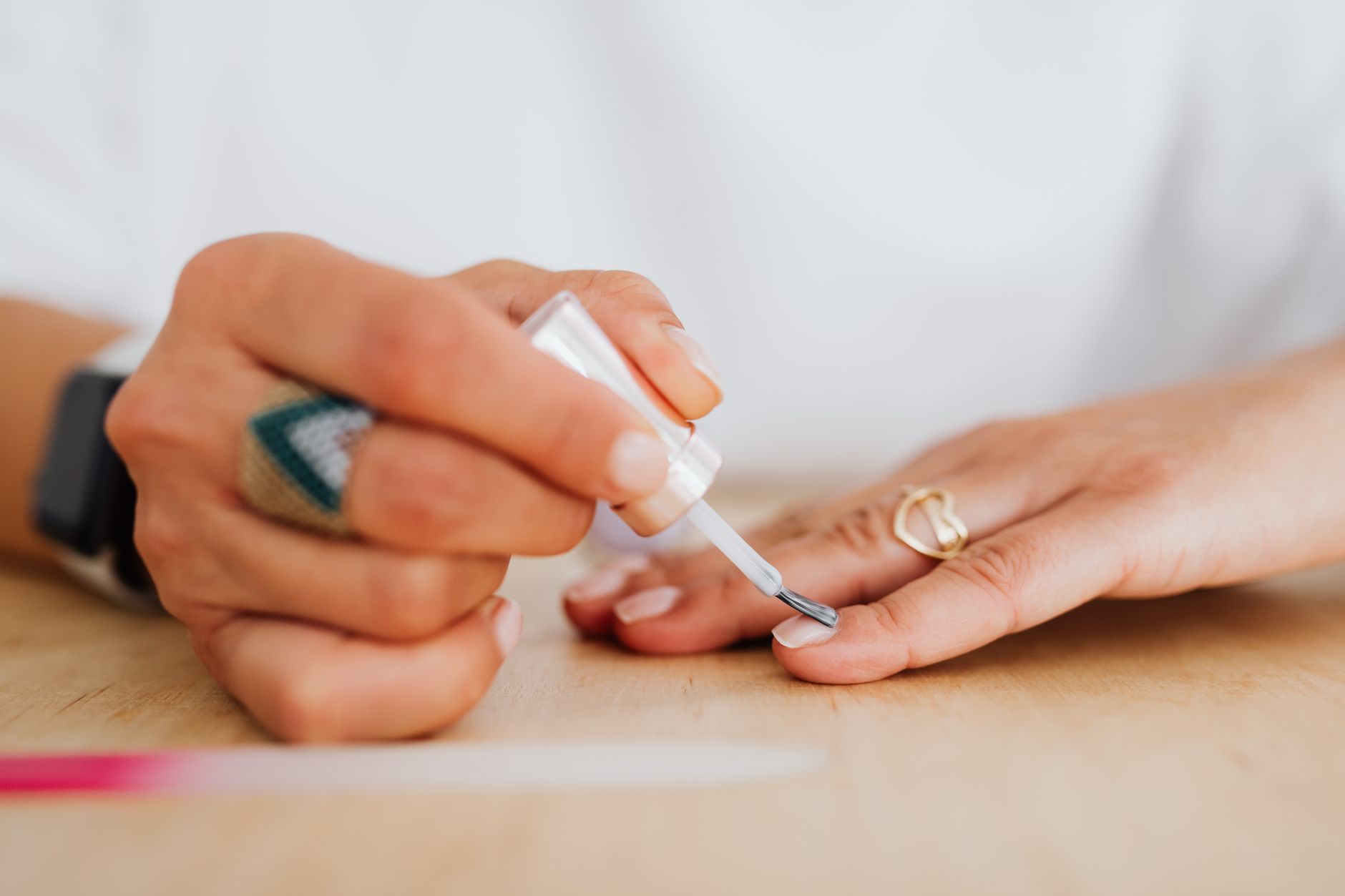

Daily cuticle moisturizing, gentle free-edge shaping, and limited water exposure help keep nails healthy at home. You don’t need a salon schedule for neat nails, but dry cuticles, dishwater, and a rough nail file can weaken the nail plate over several weeks.
This practical routine suits anyone who wants bare or polished nails with less peeling. It covers hydration, grooming, product choices, food, and symptoms that warrant medical care.
Healthy Nails Depend on Consistent Home Care
Smooth nails that sit firmly on the nail bed and do not hurt are reassuring signs. Tiny ridges can be harmless, while repeated peeling, deep splits, tenderness, or lifting can point to strain on the nail plate.
The nail plate consists of keratin, the tough protein also found in hair. New nail material grows from the matrix beneath your skin, so habits you start today protect incoming growth rather than repairing a damaged tip overnight.
Protective care replaces salon maintenance
Regular manicures can remove rough edges and soften cuticles, but your home routine can cover those basics. Clean clippers, a fine nail file, hand cream, and restraint around the cuticle give you the useful parts without frequent appointments.
A short bare nail that does not snag is healthier than a long polished nail with peeling layers. Your aim is a smooth edge that fits daily work, typing, sports, cooking, and household tasks.
Cuticles form a small seal where skin meets nail. Deep cutting can leave tender skin exposed to irritation and infection.
Daily Moisture Keeps the Cuticle Flexible
Handwashing removes water and skin oils from fingertips, especially after hot water or sanitizer. Replacing moisture soon afterward keeps the skin beside your nails flexible instead of ragged and split.
For your natural nail care routine at home, keep hand cream near the sink and cuticle oil near your toothbrush. Those two locations turn familiar pauses into a steady habit rather than another task to track.
A four-part routine fits around handwashing
- Wash gently. Use lukewarm water and mild soap, then avoid long soaking sessions that swell the nail plate.
- Dry fully. Pat between your fingers and around nail folds, since damp skin becomes softer and easier to tear.
- Add hand cream. Rub a pea-sized amount across palms, fingertips, and the skin beside each nail.
- Oil the cuticle. Massage one drop of cuticle oil or balm around each cuticle and beneath the free edge.
Your daytime routine can stay brief. Apply hand cream after washing where practical, then make cuticle moisture a bedtime habit on busy days.
Moisture changes how keratin bends
Dry keratin catches, flakes, and breaks along weak layers. Moisture gives the nail plate more flexibility, while hand cream softens nearby skin and reduces the chance of torn hangnails.
Cuticle oil does not fuse broken keratin or turn nails into armor. It reduces surface dryness around the plate, so your nails can feel less brittle after a week of steady use.
How often should you moisturize your cuticles depends on handwashing and dry indoor air. A bedtime application gives your cuticles several uninterrupted hours with oil or balm on the skin.
Gentle Shaping Stops Small Snags From Becoming Splits
A rough corner can catch in a sweater sleeve and turn a small chip into a longer split. Keeping the free edge short enough for your daily work reduces leverage and makes breakage less dramatic.
A fine file leaves a cleaner edge
Trim excess length with clean clippers or scissors before filing. Then move a fine-grit nail file in one direction from each side toward the center, using light pressure.
Back-and-forth sawing frays the free edge like a worn rope. Your target is a smooth curve or soft-square shape with no sharp points that catch on hair, towels, or fitted sheets.
- Check after showers. Smooth a lifted edge while your surrounding skin is soft and moisturized.
- File small snags. Address a rough spot right away rather than pulling it with your fingers.
- Keep length practical. Shorter nails bend less during typing, laundry, sports, and food preparation.
- Clean tools monthly. Wash clippers and files, dry them fully, and replace files with worn abrasive surfaces.
Cuticles need softness rather than cutting
Leave the cuticle largely attached after oil or balm softens it. A damp washcloth can remove loose dead skin at the edge, but forceful pushing or clipping creates small tears where bacteria can enter.
Your safest response to a hangnail is to soften it with moisturizer, then clip only the detached flap with clean nippers. Pulling a hangnail can tear living skin farther down the nail fold.
Avoiding that extra trauma matters because repeated wetting and rubbing can weaken the nail plate over time.
Water and Friction Can Leave Nails Brittle
Repeated soaking makes the nail plate expand, and drying makes it contract. That wet-dry cycle can separate thin keratin layers, leaving your nails peeling at the tips.
How to protect nails from water damage starts before your hands enter dishwater or cleaning solution. Gloves block direct contact with water, detergents, and cleaning sprays that strip oils from the surrounding skin.
Gloves interrupt the wet-dry cycle
Rubber gloves work for dishes and bathroom cleaning. Cotton-lined gloves feel less sweaty during a long cleanup, while disposable nitrile gloves suit hair coloring or brief household tasks.
Use gloves for dishwashing, gardening, hand-washing clothing, and cleaning. A five-minute sink task seems minor, yet several wet jobs during one day can keep brittle nails from settling down.
Mechanical damage adds up at the fingertips
Your nails are not scrapers, pry bars, or package openers. Use scissors, a spoon handle, a key, or a box cutter for stubborn seals, and spare the nail edge from sideways force.
- Skip polish picking. Lifting polish removes surface layers of the nail plate along with the color.
- Remove gel properly. Follow the removal method intended for the coating instead of peeling away attached material.
- Avoid skin picking. Pulling cuticle skin creates sore tears that can lead to more picking and uneven growth.
- Pause harsh scrubbing. Abrasive pads and gritty cleansers can roughen fingertips and weaken nail edges.
That pattern explains why your nails can keep peeling and splitting despite a new cream. Moisture helps, but new growth needs fewer repeated blows from water, friction, and picking.
Reducing those daily stresses gives moisturizers and nutrition a better chance to support healthy new growth.
Wear gloves before your hands touch detergent or soil. Putting them on after nails feel dry does far less for the nail plate.
Products and Food Work Alongside Basic Protection
A small kit covers most home care: hand cream, cuticle oil or balm, a fine nail file, clean clippers, and household gloves. Extra bottles cannot outweigh daily soaking, aggressive filing, or peeled-off coatings.
Remover choice depends on dryness and coating type
| Option | What it does | Suitable situation |
|---|---|---|
| Acetone-free nail polish remover | Removes standard polish with less solvent intensity | Dry or peeling nails, followed by hand cream |
| Acetone remover | Breaks down stubborn polish and some coatings faster | Short, focused removal sessions rather than repeated wiping |
| Clear strengthening coat | Adds a temporary protective film | Occasional wear, removed before thick layers begin chipping |
Acetone-free nail polish remover can suit dry nails, though it still calls for moderation and hand cream afterward. Stronger removers have a role with stubborn color, but prolonged rubbing dries skin and can leave your nail plate dull.
CND SolarOil is a cuticle-oil format, while OPI Nail Envy is a strengthening-coat format. Your technique matters more than either label: use a thin coat, remove it gently, and stop any product that leaves nails more dry or sore.
Food supplies material for new growth
Protein supplies amino acids used to form keratin. Eggs, beans, fish, poultry, lentils, leafy greens, nuts, and whole grains also supply nutrients such as iron and zinc that play roles in normal nail growth.
A balanced diet is more useful than relying on one supplement. Biotin receives attention for weak nails, yet supplements can affect laboratory results and cannot correct damage from water exposure or picking.
Ways to strengthen weak nails start with moisture, a smooth edge, and gloves. Discuss biotin or marked nail weakness with a healthcare professional before treating a supplement as the answer.
Persistent Nail Changes Need Medical Care
Minor chips that improve as they grow out fit home care. Pain, spreading color changes, or a nail that separates from the nail bed call for a medical conversation rather than more filing and oil.
Ordinary dryness has clear limits
Dryness tends to show as rough cuticles, thin peeling layers, or small breaks near the tip. Those changes should ease as your routine cuts wet work, protects the nail edge, and restores moisture.
Onycholysis means a nail lifts away from the nail bed, leaving a white or yellow area beneath the plate. Trauma can cause it, but skin conditions, infection, medication effects, and thyroid concerns can also play a part.
Warning signs call for a clinician
- Persistent discoloration. Brown, black, green, yellow, or white changes that do not grow out need assessment.
- New nail pain. Throbbing, tenderness, or pain beneath a nail is not routine dryness.
- Marked thickening. A thicker, crumbly, distorted nail can signal a condition beyond home grooming.
- Swollen nail folds. Redness, warmth, drainage, or swelling around the cuticle needs prompt medical advice.
- Several affected nails. Changes across more than one nail can point beyond a single snag or injury.
The American Academy of Dermatology advises attention to nail changes that persist or worsen. Seek care from a dermatologist or healthcare professional when a change spreads, becomes painful, lifts the plate, or affects multiple nails.
Practical Habits Keep Home Nail Care Steady
Healthy natural nails come from repeated small protections rather than a polished finish. Keep your nails moisturized, smoothly filed, and away from prolonged water and harsh cleaning exposure, then give new keratin time to move forward.
Home care suits minor damage that is improving. Pain, lifting, thickening, or stubborn color changes need a clinician rather than more cosmetic care.
FAQ
Can nails stay healthy without getting regular manicures?
Yes. Your nails can stay healthy without regular manicures when you replace the useful parts of a manicure at home: moisturizing, gentle filing, clean trimming, and protection from water and detergents. Skip aggressive cuticle cutting and avoid pulling off polish or gel coatings.
What is the best at-home routine for healthy natural nails?
Wash with mild soap, dry your hands fully, and rub hand cream over fingertips after washing where practical. At bedtime, massage cuticle oil or balm around every nail, then file a snag before it catches and splits.
How many days should pass between trimming and filing?
File a snag as soon as it appears, because a rough edge can catch and split. Trim length only after your nails extend beyond the length that suits daily tasks, then smooth the edge with a fine nail file.
Should I cut, push back, or leave my cuticles alone?
Leave your cuticles largely attached and soften them with oil or balm. A damp washcloth can remove loose dead skin, while deep cutting or forceful pushing can leave small tears around the nail fold.
What causes nails to peel, split, or break easily?
Repeated wetting and drying, harsh remover, rough filing, polish picking, and using nails as tools can all cause peeling and splitting. Your nail plate swells in water and contracts as it dries, which can separate thin keratin layers along the free edge.
Do nail strengtheners, biotin, or supplements actually help?
A strengthening coat can add a temporary protective film, while biotin is not a universal answer for weak nails. Your routine still needs moisture, gentle filing, and less water exposure, and a healthcare professional can advise you about supplements before blood work.