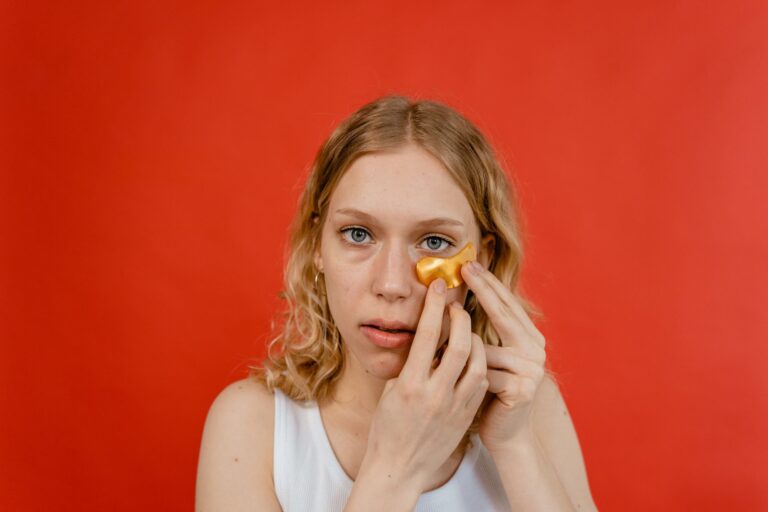
If your skin flares at the cheeks, around the nose, or across the chin, the right base layer can soften the look of redness before foundation even touches your face. Some primers lean green-tinted to neutralize, others rely on soothing skincare ingredients, and a few use grip technology to keep everything in place through a long day. The eight options below cover a useful spread: quick color correctors, hydrating grips, illuminating bases, and a pore-smoothing classic.
Your Options, Compared
Urban Decay All Nighter Waterproof Setting Spray
Dr.Jart+ Cicapair Tiger Grass Camo Drops
MAC Studio Radiance Silky Primer (1 fl oz)
e.l.f. Power Grip Hydrating Gel Primer
e.l.f. Power Grip Primer + 4% Niacinamide
Dr. Jart+ Cicapair Color Correcting SPF 30
e.l.f. Liquid Poreless Putty Primer + Cica
Benefit POREfessional Pro Balm Primer (0.75 oz)
More On The Choices That Made The List
Technically a setting spray rather than a primer, the Urban Decay All Nighter earns a place here because most redness-prone routines benefit from a final mist that won’t melt off by lunch. It applies as a weightless, ultra-fine cloud (no big droplets raining down your cheek) and is designed to grip layers together without disturbing what’s underneath.
The formula leans on film-forming polymers and glycerin, the kind of ingredients that lock down makeup while keeping skin from feeling tight. For commuters, restaurant workers, and anyone who runs warm, that waterproof, transfer-resistant hold is the main draw.
The Good Stuff
- Waterproof, smudge-proof, and transfer-resistant finish for long days
- Ultra-fine mist lays evenly over foundation without disturbing it
- Glycerin helps keep skin from feeling tight as the formula sets
- Works over any of the primers on this list as a final step
Worth Noting
- Doesn’t actively neutralize redness on its own, so pair it with a green or centella primer beneath
- Spray bottles can occasionally clog if stored horizontally, so keep it upright between uses
Key Specs
Built With In Mind
Anyone whose redness routine keeps sliding off by mid-afternoon and needs a final layer that holds everything in place through heat or long hours.
Consider Something Else When
Reactive, easily-flushed skin that needs a calming layer before makeup will do better with the Dr.Jart+ Cicapair Tiger Grass Camo Drops underneath.
These camo drops are part serum, part color corrector, and the texture makes that clear: a thin, dewy tint rather than a thick primer layer. The centella asiatica (a plant-derived extract long used in Korean skincare to calm visible irritation) is the headline ingredient, paired with a sheer green-leaning tint that knocks back redness on contact.
Where most primers sit beneath foundation, these are flexible enough to mix in, spot-apply on flushed areas, or wear alone on no-makeup days. People with oilier or humid-climate skin tend to find the lightweight finish especially welcome.
Benefits That Matter
- Color-corrects redness with sheer, dewy coverage that doesn’t feel heavy
- Centella asiatica aims to soothe visible irritation over time
- Works as a primer, a mixer, or a standalone tint on minimal-makeup days
- Comfortable on oily, combination, and humid-climate skin
Trade Offs
- The dewy finish can feel too glowy under very matte foundations
- Tint is light, so deep or widespread redness may still need a follow-up layer
Right Fit For
Sensitive or reactive skin that wants a calming, skincare-first base rather than a heavy silicone primer.
Skip It When
You need a sticky, tacky grip for foundation, where the e.l.f. Power Grip Primer pulls ahead.
MAC’s Studio Radiance primer is built for skin that looks a little tired or flat under foundation. The texture is genuinely silky, not sticky, and it leans into a soft, lit-from-within glow rather than glitter. For redness specifically, the illuminating finish helps unify the look of the face so the eye doesn’t lock onto any one flushed patch.
You can wear it under foundation or sheer it out as a standalone glow on minimal-makeup days. The 1 fl oz size is the standard full bottle, so it should sit comfortably on most vanities.
Reasons It Performs
- Silky, non-sticky texture that glides over redness-prone areas
- Adds a soft radiance that distracts from uneven tone
- Works as a base or as a subtle standalone glow
Minor Gripes
- Not a targeted redness corrector, so very flushed areas may still need a green tint beneath
- The luminous finish may be too dewy for those who prefer a strictly matte base
- Lighter source detail on this one means you may want to test the texture in person
Key Specs
Who It Suits Best
Anyone whose redness sits alongside dullness and wants one product that adds glow while smoothing the base for foundation.
Look Elsewhere When
You want a green tint to actively neutralize flushing, in which case the e.l.f. Liquid Poreless Putty Primer + Cica is a more targeted tool.
The original Power Grip built its reputation on a slightly tacky gel texture that grabs onto foundation and refuses to let go. It’s a gel-based primer, so it spreads clear with a translucent finish, making it flexible across dry, combination, and oily skin types without leaving a white cast.
For redness, it works best as the grip layer underneath a separate color-correcting step, since it doesn’t carry a green or centella tint itself. Plenty of people layer it with a green-tinted primer to get both hold and tone correction at once.
Useful Highlights
- Tacky texture grips foundation for noticeably longer wear
- Goes on clear, so it suits a wide range of skin tones without flashback
- Non-comedogenic gel formula (designed not to clog pores) works for most skin types
- Layer-friendly under a separate green or centella color corrector
Points To Note
- The sticky feel takes some getting used to on first application
- Doesn’t actively color-correct, so pair it with a tint for visible redness
- Owners commonly report the bottle running out faster than expected because a little goes only so far
Key Specs
Who Will Love This
People whose foundation tends to slide off by midday and who want a sticky, budget-friendly base to lock everything in place.
Not Your Match When
You want one product to both grip and color-correct, where the e.l.f. Power Grip Primer + 4% Niacinamide covers both jobs.
This is the niacinamide-spiked sibling of the original Power Grip, and the upgrade is meaningful for anyone whose redness comes paired with post-acne marks or general dullness. Niacinamide is a well-known ingredient for helping smooth the look of uneven tone over time, so the formula works on your skin even on the days you skip foundation.
You still get that signature tacky grip, the same gel texture, and the same translucent finish. It’s a smart two-in-one for people who want grip plus a long-term brightening effect without stacking two separate products.
Well-Handled Touches
- 4% niacinamide helps brighten the look of dullness and uneven tone
- Same sticky grip as the original Power Grip, so foundation holds longer
- Translucent gel suits a range of skin tones
- Two-in-one formula simplifies routines and saves a step
Honest Caveats
- No green tint, so it won’t neutralize bright red patches on contact
- Some people find the tackiness takes a minute to settle before foundation glides on
Feature Snapshot
Made For
Anyone juggling redness with post-blemish marks or dullness who wants a grippy primer that also works on bare skin over time.
Swap It Out When
You specifically need a green color corrector for visible flushing, where the e.l.f. Liquid Poreless Putty Primer + Cica is the more targeted pick.
Cicapair’s color-correcting treatment pulls double duty as a tone-evener and a daily SPF 30, which is genuinely useful for redness-prone skin that gets worse with UV exposure. The cream goes on green and adapts to a neutral, skin-like tint as you blend, so you’re not walking around looking like a seafoam highlighter.
Centella asiatica is the calming backbone of the formula, and combined with the broad-spectrum SPF, it makes a strong morning layer for anyone whose flushing flares with sun or temperature changes. You can wear it solo or under foundation.
Features That Help
- Green-to-beige color correction neutralizes visible redness on contact
- SPF 30 built in for daily UV protection
- Centella asiatica supports calmer-feeling skin over time
- Wears well on its own or as a base under foundation
Softer Spots
- SPF 30 may not be enough for full beach or outdoor days, so layer extra sun protection for long exposure
- Coverage is light; deeper discoloration may need a follow-up concealer
Perfect Match For
Daytime routines where UV protection and redness neutralization should happen in a single step, especially for sensitive skin.
A Better Fit Elsewhere
Nighttime or no-SPF routines, where the Dr.Jart+ Cicapair Tiger Grass Camo Drops offer similar calming without the sunscreen layer.
Where most putty primers focus on filling pores, this one layers in cica, a short name for centella asiatica, the same soothing extract that anchors the Cicapair line. The texture is a silky green liquid that blends down to almost nothing, so you’re not left with a noticeable tint once foundation goes on top.
The sheer green hue cancels out visible redness on contact, while the cica is there to help calm skin over repeated use. It suits dry, oily, and combination types, and it grips makeup well enough for a standard workday.
Everyday Wins
- Sheer green tint visibly neutralizes redness on application
- Cica helps soothe skin over time
- Works across dry, oily, and combination skin
- Grips foundation without the heavy silicone feel of classic putty primers
Points To Keep In Mind
- The green tint is sheer, so very deep or dark red areas may still peek through heavier foundations
- Liquid primers can separate if stored poorly, so keep the bottle upright and sealed
Key Specs
Best Suited To
Redness-prone skin that wants a dedicated green neutralizer with calming cica built in, especially for everyday wear.
Another Choice May Suit
Anyone wanting a skincare-makeup hybrid with sun protection will find the Dr. Jart+ Cicapair Color Correcting SPF 30 more aligned with that goal.
The POREfessional is a long-standing classic, and it earns its spot here for the people whose redness sits alongside visible pores and a few fine lines. The texture is a silky, lightweight balm that glides on and blurs, leaving a translucent finish that complements a wide range of skin tones.
It also contains a vitamin E derivative, an ingredient often associated with antioxidant support, which is a small bonus for skin that deals with daily environmental exposure. The honest read: this is a smoothing primer first, a redness primer second. Pair it with a green or centella step if flushing is your main concern.
Useful Touches
- Silky balm blurs the look of pores and fine lines quickly
- Translucent finish suits most skin tones
- Wearable alone, under foundation, or mixed into base makeup
- Contains a vitamin E derivative known to help protect skin
Possible Compromises
- Doesn’t color-correct, so redness still needs a separate neutralizing step
- The smoothing silicone feel isn’t for everyone; some prefer a hydrating gel instead
Whose Shelf It Belongs On
Anyone focused on pore texture and a smooth base who also wants a primer that works on bare-skin days with a soft, blurred finish.
Reach For A Different Pick When
Redness is your primary concern, in which case the e.l.f. Liquid Poreless Putty Primer + Cica handles both smoothing and tone correction.
What Matters Most Before Choosing makeup primers for redness
Match the formula to your kind of redness
Not all redness is the same. A persistent pink flush around the nose and cheeks tends to respond well to green-tinted or centella-spiked primers like the e.l.f. Liquid Poreless Putty Primer + Cica. Patchy post-blemish marks often pair better with brightening niacinamide formulas, while a generally dull, uneven tone benefits from luminous bases like the MAC Studio Radiance primer. For skin that flares with sun or temperature, a built-in SPF like the Dr. Jart+ Cicapair SPF 30 treatment earns its place.
Decide between active correction and gripping support
Some products actively neutralize red tones (the green and centella options), while others focus on holding your base makeup in place longer (the e.l.f. Power Grip line). Plenty of routines use both: a thin color-correcting layer first, then a tacky grip primer to keep everything locked. The Urban Decay All Nighter works at the end of the routine as a final mist rather than a base.
Consider your skin’s behavior through the day
Oily or humid-climate skin usually prefers the lightweight dewy finish of the Dr.Jart+ Camo Drops or a gel-based primer. Dry skin tends to enjoy the moisturizing slip of the MAC Studio Radiance or the e.l.f. Power Grip options. Sensitive or reactive skin often does best with centella-forward formulas and minimal fragrance.
Think about whether you need SPF built in
A dedicated color-correcting treatment with SPF 30, like the Cicapair treatment, saves a step in the morning. If you already use a separate sunscreen you trust, a primer without SPF gives you more flexibility to layer products and reapply sun protection throughout the day.
Key Considerations Across These Picks
Pitfalls Shoppers Hit
Going straight for the strongest green tint on the market is a common misstep, since a heavy green cast can read ashy under some foundations. Sheer green formulas like the e.l.f. Putty Primer + Cica usually layer better. Skipping SPF in a redness routine is another frequent miss, especially when daily UV exposure is a known trigger. Finally, applying a grippy primer over an already-oily base can cause foundation to ball up, so the routine order matters: light, water-based serums first, then the primer.
Where The Extra Money Goes
Higher-tier redness primers tend to invest in clinical-grade soothing ingredients (like stable forms of centella asiatica), longer wear claims, and finer-mist delivery systems in the case of setting sprays. The Urban Decay All Nighter, for example, leans on proprietary film-forming polymers. You’re paying for research and ingredient quality, and the upgrade usually shows up in how the product feels on skin and how long the finish holds. For occasional or light use, mid-tier options handle the job; daily wearers and reactive skin often notice the difference when they step up.
Frequently Asked Questions
How do green-tinted primers actually neutralize redness?
Green sits opposite red on the color wheel, so a sheer green pigment in a primer cancels out visible red tones when blended into the skin, leaving a more neutral base before foundation goes on.
Can a primer alone replace foundation for redness coverage?
For very light, even flushing, yes, especially with buildable hybrids like the Dr.Jart+ Camo Drops or the Cicapair SPF 30 treatment. For more noticeable or uneven redness, you’ll likely still want a light foundation or concealer on top.
Is it safe to layer a color corrector with a grippy primer?
Generally yes, but apply the thinnest, most water-based product first (usually the color corrector), let it set briefly, then apply the grippy primer over the top. This keeps each layer from pilling.
Do primers with SPF replace dedicated sunscreen?
A primer with SPF 30, like the Dr. Jart+ Cicapair treatment, is a good daily baseline. For extended outdoor exposure, a dedicated broad-spectrum sunscreen applied generously and reapplied is still the safer choice.
How long does a redness primer typically last once opened?
Most primers and color correctors are designed to stay effective for 12 months after opening. Store them upright, sealed, and away from direct sunlight, and toss them sooner if the smell, texture, or color shifts noticeably.