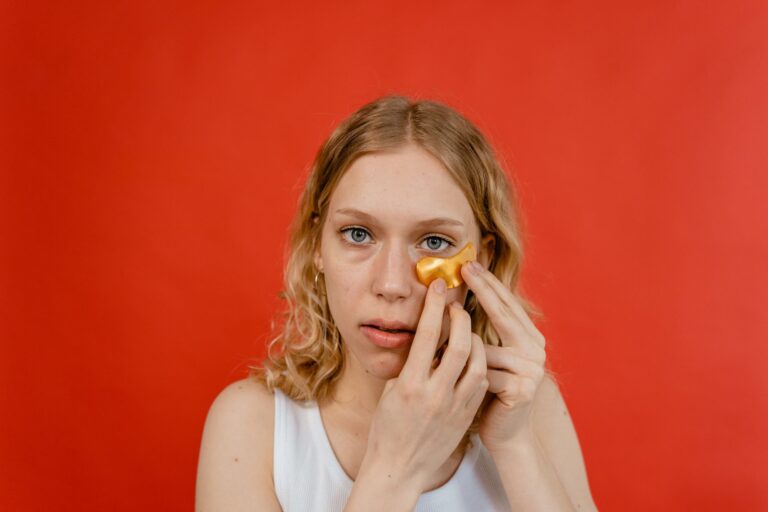

Oily, breakout-prone, or just looking tired in the mirror? Glycolic acid, the smallest of the alpha-hydroxy acid (AHA) family, slips into skin to loosen the glue between dull surface cells, so fresher layers can take their place. The trick is matching the format and strength to your skin, not just grabbing the strongest jar on the shelf. This shortlist covers serums, creams, and pads from gentle daily-use territory through to higher-strength peel territory, so each routine gets the right tool.
An Overview Of The Picks
RAYA Glycolic Gel GX-50 Face Exfoliator Serum
ISDIN Isdinceutics Glicoisdin 8 Soft Glycolic Cream
QRxLabs Glycolic Acid 20% Resurfacing Pads 50ct
QRxLabs 10% Glycolic Acid Daily Pads 50ct
QRxLabs Salicylic and Glycolic Acne Pads 50ct
YEOUTH Glycolic Acid Face Peel 30% with Retinol
Taking A Closer Look At The Options
For shoppers chasing a lightweight gel that pairs glycolic acid with soothing aloe, the RAYA Glycolic Gel GX-50 is one of the more interesting finds in this category. The gel texture absorbs fast, which makes it practical under moisturizer or sunscreen in a morning routine, and it skips a heavy occlusive feel that some creams leave behind.
Its positioning leans toward oily and breakout-prone skin, the group most often let down by rich anti-aging formulas. For most people layering this on clean skin a few nights a week, the format feels modern, almost serum-like compared to traditional jars.
The Upside
- Lightweight gel that layers cleanly under SPF and moisturizer
- Aloe pairing helps buffer the tingle that glycolic can cause on first use
- Parabens-free formula with a cruelty-free stance
- Targets oiliness, blemishes, and fine lines in a single step
Things To Consider
- Not formulated for highly sensitive or reactive skin types
- Stronger tingling may catch beginners off guard on early applications
Key Product Details
Who Will Love This
Oily, breakout-prone skin types looking for a non-cream exfoliant that slides easily into an existing routine.
Consider Something Else When
Mature or sensitive shoppers often get a better fit from the ISDIN Isdinceutics Glicoisdin 8 Soft Glycolic Cream, which pairs glycolic with bakuchiol and ceramides for a calmer experience.
The ISDIN Isdinceutics Glicoisdin 8 takes the opposite approach from the RAYA gel. It uses a richer cream base anchored by glycolic acid, bakuchiol (a plant-based retinol alternative), ceramide, borage oil, and vitamin E, all in a single 1.76 oz jar developed in Spain. It looks and feels like a traditional night cream, which is part of the appeal for anyone easing into AHAs later in life.
For most people juggling fine lines and a sensitivity to retinol, this format reads as a safer middle ground. The cream spreads evenly and the supporting ingredients (bakuchiol, ceramide, borage oil) work to keep the skin barrier comfortable during exfoliation.
Real-World Strengths
- Bakuchiol offers a retinol-style smoothing effect without the same irritation profile
- Ceramide and borage oil support the skin barrier during exfoliation
- Dermatologically tested, with a 1.76 oz size that suits a long-term routine
- Cream texture fits cleanly into a nighttime regimen
Honest Caveats
- Not intended for users who want a fast-absorbing gel instead of a cream
- Gentler than peel-style products, so visible texture changes tend to build slowly
At A Glance
Right Fit For
Mature or reactive skin types who want a barrier-friendly cream that introduces glycolic acid without the sting of higher-strength peels.
Where Another Pick Suits Better
Shoppers chasing daily pad-style exfoliation may prefer the QRxLabs 10% Glycolic Acid Pads, which deliver a more straightforward swipe-on routine.
Stepping up from the gentler picks, the QRxLabs Glycolic Acid Pads deliver 20% glycolic acid in pre-soaked pad form, designed for face and body resurfacing. Each jar holds 50 pads, sized for both facial passes and larger areas like the chest or back. The format is built for users who already know how their skin responds to AHAs and want something stronger than a daily-use pad.
Alongside the glycolic concentration, the pads carry vitamins B5, C, and E to soften what would otherwise be a bare exfoliation step. For most people at this strength, though, gradual introduction matters more than frequency.
A Few Highlights
- 20% glycolic concentration targets more stubborn texture and discoloration
- Workable for both face and body, broadening routine use
- Pre-soaked pads remove guesswork around amount and coverage
- Vitamin B5, C, and E round out a typically harsh peel step
Worth Noting
- Too strong for first-time AHA users; patch testing is a sensible first step
- Owners commonly report dryness if used more often than skin can tolerate
- Sun sensitivity rises with regular use, so SPF during the day becomes non-negotiable
Feature Snapshot
Best Suited To
Experienced exfoliant users who already tolerate daily AHAs and want a stronger weekly resurfacing step.
Skip It When
Beginners get a much smoother starting point with the QRxLabs 10% Glycolic Acid Pads, which deliver the same format at a friendlier strength.
The 10% version of the QRxLabs pads plays a different role in a routine. The lower concentration makes daily use more realistic, and the same multi-zone format carries over from the 20% jar, so face, neck, and body stay in one product. It is the more forgiving sibling in the QRxLabs lineup.
Vitamins C and E sit alongside calendula and green tea in the soaking solution, which gives the pads a slightly more cushioned feel on contact. Compared with the RAYA gel earlier in this list, the difference shows up in format: a pad versus a squeeze tube, both aiming at the same general skin type but with different rituals.
What Makes Sense
- 10% strength is approachable for newcomers to AHA exfoliation
- Antioxidant pairing with vitamins C and E softens the active ingredient
- Calendula and green tea add a calming touch for everyday use
- Jar format keeps the routine tidy, no cotton rounds needed
Points To Keep In Mind
- Slower visible results than the 20% version for deeper texture concerns
- Pad texture can feel slightly sticky right after application
Quick Facts
Who Should Grab It
First-time AHA users who want a no-fuss daily exfoliation step without jumping straight to higher-strength peels.
Look Elsewhere When
Shoppers chasing a richer cream format will find a more natural fit in the ISDIN Isdinceutics Glicoisdin 8 Soft Glycolic Cream, which swaps pads for a barrier-supportive night cream.
Where most of the picks here are pure glycolic acid products, the QRxLabs Salicylic and Glycolic Acne Pads go in a different direction. They pair 2% salicylic acid, a beta-hydroxy acid (BHA) that works inside pores, with 10% glycolic acid for surface resurfacing. That dual-acid design is the main reason this jar exists: one swipe handles oil, congestion, and surface texture.
The pads are also designed for body acne, covering the back, chest, and other hard-to-reach areas where a smaller facial pad would not cut it. For most people dealing with recurring body breakouts alongside facial texture, this combination format simplifies an otherwise multi-product routine.
Benefits That Matter
- Salicylic acid clears pore congestion while glycolic smooths the surface
- Large enough pads for back, chest, and other body zones
- Vitamins B5, C, and E soften the impact of two active acids
- Pre-soaked format keeps dosage consistent across uses
Trade Offs
- Two acids in one pad raise the irritation risk for reactive skin
- Not the right choice for users who specifically want a pure glycolic acid experience
Made For
People managing persistent body acne or combination breakouts who want a single pad to address both pore congestion and surface texture.
A Better Fit Elsewhere
Anyone focused purely on facial anti-aging texture will likely prefer the YEOUTH Glycolic Acid Face Peel 30% for occasional intensive treatments, or the ISDIN cream for nightly barrier-friendly use.
At the top of the strength ladder sits the YEOUTH Glycolic Acid Face Peel 30%, a 1 oz at-home chemical peel that pairs a 30% glycolic concentration with retinol and green tea. This is an occasional-use product, not a daily driver, and the formula targets uneven tone, rough texture, and the appearance of fine lines in a single rinse-off step.
Green tea steps in to take some of the edge off what would otherwise be a fairly intense peel, which matters when retinol is added to the mix. For most routines this lands as a once-a-week reset rather than a nightly cream, and that is exactly how it works best.
The Helpful Details
- 30% glycolic strength suits experienced users chasing visible resurfacing
- Retinol pairing addresses uneven tone alongside texture
- Green tea inclusion offers a soothing counterweight to a strong peel
- 1 oz bottle is sized for occasional use rather than daily application
Where It May Fall Short
- Too intense for beginners, and definitely not for sensitive or compromised skin
- Owners commonly report peeling and flaking in the days after use, so plan around social events
- Routine sunscreen use becomes essential to protect freshly exfoliated skin
The Right Fit
Experienced users comfortable with higher-strength at-home peels who want a periodic reset for tone and texture.
Another Choice May Suit
Daily-routine shoppers will get more mileage from the QRxLabs 10% Glycolic Acid Pads, which deliver ongoing exfoliation without the recovery window of a 30% peel.
What Matters Most Before Choosing Glycolic Acid Creams
Strength And Skin Tolerance
Glycolic acid concentrations typically range from under 10% in daily creams to 30% or higher in peel products. Lower strengths (around 8 to 10%) work well for newcomers and sensitive skin, while higher strengths (20% and above) are better suited to experienced users. The ISDIN cream and the QRxLabs 10% pads both sit in the gentle, daily-use range, while the 20% pads and the YEOUTH 30% peel occupy more intense territory.
Format And Routine Fit
Format changes everything. Creams and serums layer into a nighttime regimen, pads work as a quick swipe-and-go step, and peels function as occasional reset treatments. A pad-based routine suits people who want speed, while a cream suits those who enjoy a slower, layered ritual. A peel is a separate category altogether and best treated as a complement, not a replacement, for daily care.
Supporting Ingredients
Glycolic acid on its own is effective but sometimes harsh. Pairings like aloe, bakuchiol, ceramides, green tea, and vitamins B5, C, and E help maintain comfort and support the skin barrier. The RAYA gel leans on aloe, the ISDIN cream uses bakuchiol and ceramide, and the YEOUTH peel balances intensity with green tea. These supporting players are often the difference between a routine that lasts and one that ends after a week of irritation.
Sensitivity And Sun Protection
Daily AHA use tends to make skin more photosensitive. A reliable broad-spectrum sunscreen in the morning is a non-negotiable part of any glycolic acid routine, especially at higher strengths. Patch testing new products on a small area behind the ear or along the jaw is a sensible first step, particularly for sensitive or reactive skin types.
Key Considerations Across These Picks
Pitfalls Shoppers Hit
The most common mistake is starting with too high a concentration. Jumping straight to a 30% peel without a glycolic tolerance history can mean weeks of redness and flaking. A more sustainable path is to start with a daily-use option like the QRxLabs 10% pads or the ISDIN cream, then graduate upward if needed. Skipping SPF is the other classic error, and the single fastest way to undo the benefits of a solid exfoliation routine.
Where The Extra Money Goes
Premium glycolic products tend to invest in supporting ingredients, formulation stability, and gentler delivery systems. The ISDIN cream, for example, layers bakuchiol, ceramide, and borage oil around the glycolic acid, which explains a higher price tier compared with basic exfoliant pads. Paying more usually buys a calmer experience, not necessarily a stronger result, so the upgrade is most worthwhile for anyone with sensitive or mature skin who cannot tolerate a bare AHA approach.
Frequently Asked Questions
What strength of glycolic acid is best for beginners?
Concentrations around 8 to 10% are a sensible starting point for most skin types. The QRxLabs 10% pads and the ISDIN Glicoisdin 8 cream both sit in this friendly range.
Can glycolic acid be used every day?
Daily use depends on the concentration and the individual’s skin tolerance. Lower-strength creams and 10% pads are designed for frequent use, while 20% and 30% products are usually limited to a few times per week or as occasional peels.
Is glycolic acid safe for sensitive skin?
Sensitive skin can still benefit from glycolic acid, but lower concentrations and barrier-supporting ingredients (like ceramides or aloe) make a meaningful difference. Patch testing is a sensible precaution before broader application.
Should I wear sunscreen when using glycolic acid products?
Yes. AHAs can increase photosensitivity, so a broad-spectrum SPF in the morning is a core part of any glycolic routine.
How long before results become visible?
Most users see initial texture changes within a few weeks, while changes in tone and fine lines typically build over one to two months of consistent use. Stronger peels may show faster results but require a recovery window afterward.
The Takeaway
The right glycolic acid product depends less on finding a single winner and more on matching strength and format to the routine already in place. Start gentle, build tolerance, support the skin barrier, and wear SPF every morning. The shortlist above covers the main paths: a soothing gel, a barrier-friendly cream, daily and resurfacing pads, a body acne pad, and a periodic at-home peel. Pick the one that fits how the routine already works, then let the results build over time.