
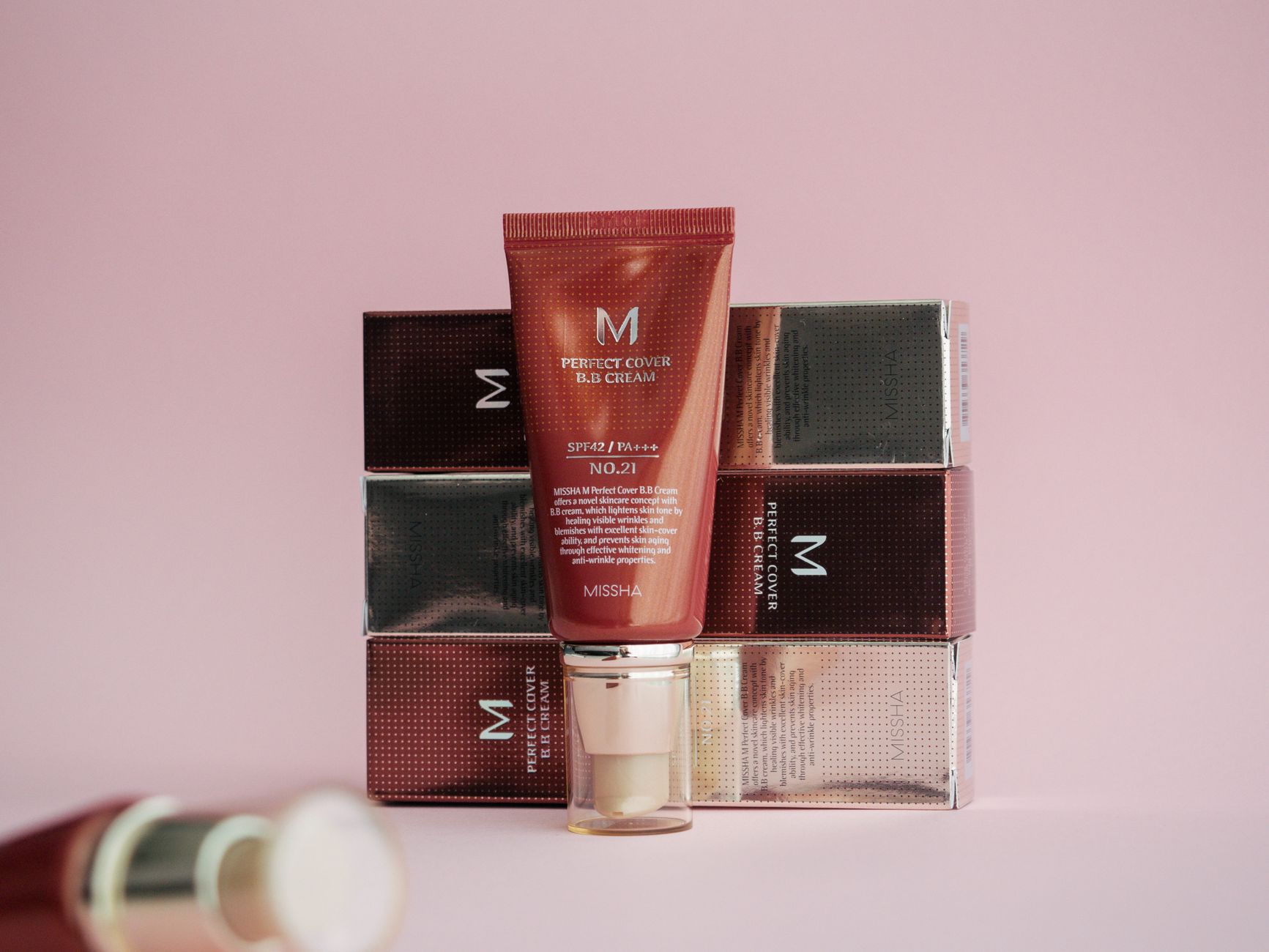

Coverage, finish, and skincare-focused ingredients are the main differences between these complexion products. CC cream is a choice between light skin-tone evening and pigment-led color correction. BB cream softens small uneven areas with a moist, skin-like finish, while CC cream targets redness, dullness, or discoloration before adding coverage. Your mirror can show the difference quickly.
This comparison covers pigments, coverage level, skin type, shade matching, foundation, tinted moisturizer, and SPF so you can choose a formula that fits your daily makeup routine.
Coverage and Color Correction Set the Main Difference
A tube marked BB cream began with the term blemish balm, a name linked to a lighter base that softens the look of small marks rather than hiding every detail. Your skin still looks like skin, with freckles, pores, and natural dimension visible through sheer coverage.
CC cream means color-correcting cream. Its pigments offset a visible cast, such as pink-red cheeks, yellowish sallowness, gray-brown hyperpigmentation, or patchy tone. You get a more even-looking base because correcting pigment shifts color before skin-tone pigment covers the area.
| Feature | BB cream | CC cream |
|---|---|---|
| Main role | Light coverage and a moisturized complexion | Color correction and tone evening |
| Visible concern | Minor unevenness and dullness | Redness, sallowness, dark marks, or uneven tone |
| Common look | Natural, dewy, or softly satin | Radiant, satin, or more perfected |
| Coverage range | Sheer to light | Light to medium, depending on formula |
Labels do not follow a fixed cosmetic rule. Dr. Jart+, Missha, Garnier, Erborian, Clinique, and IT Cosmetics use BB or CC language differently, so your tube can deliver more coverage, less SPF, or a different finish than its name suggests.
That inconsistency makes pigment balance and finish, rather than the product name, more reliable clues to how it will look on skin.
Pigments and Finish Shape the Visible Result
Sheer pigment leaves more skin visible
Small amounts of skin-tone pigment smooth contrast without fully covering it. That is what BB cream does for faint post-blemish marks, slight redness around the nose, and a tired-looking complexion. You can wear it on a rushed morning because blending needs less precision than a fuller base.
A hydrating formula also changes surface reflection. Light catches a moisturized finish more evenly, which can make minor texture look less sharp. But shiny areas on your forehead or chin can need a lighter texture or a touch of powder.
Correcting pigment changes color beneath coverage
Green-toned pigment softens the look of red, while peach or apricot pigment can reduce the ashy cast of blue-purple shadows and darker marks. CC cream for redness and discoloration uses that optical shift beneath beige pigment rather than relying on thicker coverage alone.
Color correction does not erase deep spots or raised blemishes. For example, a lavender-leaning CC formula can brighten a sallow face, yet a dark post-blemish mark still needs a pinpoint layer of concealer. Your result stays more natural because beige pigment does not build up over a stubborn spot.
Finish remains formula-specific. A BB cream can look satin rather than dewy, and a CC cream can look luminous rather than matte. The difference between BB cream and CC cream begins with purpose, not with a fixed promise about finish.
Tinted Moisturizer and Foundation Show the Coverage Range
Coverage sits on a sliding scale rather than in sealed product groups. Tinted moisturizer sits at the sheer end, giving your face hydration and a faint wash of pigment. Foundation reaches farther, with buildable layers, broader finishes, and more shade depth for matching skin undertones.
| Product type | Coverage level | Strongest use |
|---|---|---|
| Tinted moisturizer | Very sheer | Hydration with a slight tint |
| BB cream | Sheer to light | Everyday smoothing and moisture |
| CC cream | Light to medium | Visible color imbalance |
| Foundation | Light to full, buildable | More control over coverage and finish |
Foundation gives you more room to cover acne marks, melasma, or uneven texture, but it can feel like more makeup. BB cream can replace foundation on days where light coverage feels sufficient. A CC formula works well as a quick base beneath concealer where redness needs extra neutralization.
That placement clears up a common coverage question. CC cream does not automatically provide more coverage than BB cream, though many formulas do. Check the stated coverage level, then judge the product along your jawline rather than trusting a two-letter label.
Skin Concerns Point to the More Useful Formula
Even skin suits a lighter base
Skin with few color shifts rarely needs a correcting layer across the entire face. BB cream suits your routine where you want moisture, soft skin-tone evening, and a natural-looking base that does not hide every freckle.
Dry areas deserve close attention. A cream with humectants such as glycerin or hyaluronic acid can leave your cheeks more comfortable, while a powder-heavy formula can catch on flakes. Your preparation still matters because complexion pigment clings to rough patches rather than smoothing them away.
Visible discoloration suits targeted correction
Red cheeks, post-blemish marks, and patchy dullness are cases where CC cream earns its place. Your color concern guides the correcting tone: green offsets red, peach helps blue-gray shadowing, and lavender can brighten yellow or sallow casts.
Oil-prone skin tends to suit thin, fast-setting textures labeled matte. Mature skin can look fresher in flexible formulas that stay soft over fine lines rather than drying into a stiff film. BB cream or CC cream for mature skin depends less on the letters and more on whether your formula stays comfortable through the afternoon.
- Mostly even skin: Choose BB cream for light smoothing, moisture, and a low-effort finish.
- Persistent redness: Reach for CC cream with green-toned correction beneath its skin-tone pigment.
- Dark post-blemish marks: Use a peach-leaning correcting base, then spot-conceal remaining darkness.
- Oily zones: Pick a lightweight texture that sets without a greasy surface on your T-zone.
- Dry texture: Favor a hydrating formula and keep powder away from flaky areas.
Shade Matching and Layering Keep the Base Skin-Like
Daylight reveals a poor shade match
Indoor bathroom light can flatter a mismatched base for five minutes, then expose an orange jawline outdoors. Match your product to the side of your face and neck, not the center of your cheek. Your neck gives a cleaner reference for a seamless face-to-body blend.
Limited shade ranges are a real weakness in both categories. A formula that looks close in the tube can oxidize, meaning pigments deepen after contact with air and skin oils. Give a swatch 10 to 15 minutes before deciding whether its undertone stays right for you.
Thin layers control texture better
Start with a small amount at the center of your face, then blend outward across the cheeks, forehead, and chin. Your fingertips warm a creamy formula, while a damp sponge can sheer it out. Add a thin extra layer only on areas that still look uneven.
Because SPF testing assumes a generous application, the thin layers used for a natural base may not provide the labeled protection.
- Prep dry patches: Smooth moisturizer over flaky areas and allow it to settle before complexion makeup.
- Use less first: A pea-sized amount gives you room to build without a thick edge near the hairline.
- Work outward: Blend from the center toward the jaw so pigment fades naturally at the perimeter.
- Correct selectively: Place extra CC cream on red cheeks or dark marks instead of coating your entire face.
- Conceal last: Tap concealer only on lingering spots after your base has settled for a few minutes.
Heavy layers do not fix a wrong shade or a dry formula. Your base looks more convincing with targeted concealer than with repeated coats across textured skin.
SPF and Formula Labels Need a Final Check
A printed SPF number means sunscreen filters sit in the formula, not that every BB or CC cream gives the same protection. Your product can also contain niacinamide, peptides, glycerin, or antioxidants, but skincare extras depend on the individual formula.
Makeup is rarely spread in the generous amount used for dedicated sunscreen. A thin veil of complexion product leaves too little on your face to reach the labeled SPF protection. Use a broad-spectrum sunscreen underneath during daytime exposure, then view BB or CC cream SPF as added coverage rather than your sole layer.
Label details settle the final choice
Your choice becomes clearer once you name the visible issue. BB cream fits a simple everyday base with sheer coverage. CC cream fits a face where color imbalance draws more attention than texture or isolated blemishes.
- Check coverage: Look for sheer, light, or medium language before expecting foundation-level masking.
- Check finish: Choose dewy, satin, natural, or matte based on how your skin behaves by midday.
- Check shades: Compare undertone and depth along your jawline in daylight before wearing it outside.
- Check SPF: Confirm broad-spectrum protection, then keep dedicated sunscreen in your morning routine.
- Check ingredients: Scan for fragrance, oils, or actives that have bothered your skin in the past.
Final Takeaways
Your most useful choice starts with the concern visible in the mirror. Pick BB cream for moisture, sheer coverage, and a relaxed skin-like finish. Pick CC cream for redness, sallowness, or uneven color that needs pigment correction before coverage.
Shade match, skin type, and sunscreen habits settle the rest. A well-matched light layer can look more polished than a thicker formula that turns orange, catches on flakes, or leaves your natural undertones looking flat.
FAQ
What does BB cream stand for, and what does CC cream stand for?
BB cream stands for blemish balm, while CC cream stands for color-correcting cream. Your formula can still vary by brand because BB and CC labels do not follow a fixed cosmetic standard.
What is the main difference between BB cream and CC cream?
BB cream focuses on light coverage, moisture, and a natural finish, while CC cream focuses on color correction for visible redness, sallowness, dark spots, or uneven tone. Your formula can blur those lines because cosmetic labels do not lock each product into one coverage level.
What does BB cream do?
BB cream gives your complexion a sheer-to-light layer of skin-tone pigment. It can soften faint marks, dullness, and minor unevenness while leaving freckles, pores, and natural texture more visible than foundation would.
What does CC cream do?
CC cream uses correcting pigments to reduce the look of color imbalance beneath skin-tone coverage. Green pigments can soften redness, peach can offset blue-gray shadows, and lavender can brighten sallow-looking skin.
Should I use BB cream or CC cream for redness?
CC cream is the stronger fit for redness because green-toned correcting pigments can soften pink or red areas beneath skin-tone pigment. Your cheeks can still need a small amount of concealer where redness is intense or where blemishes have texture.
Does CC cream provide more coverage than BB cream?
Many CC creams offer light-to-medium coverage, while many BB creams stay sheer-to-light, but the label does not lock in that result. Check package language and swatch your chosen formula because coverage varies sharply from one brand to another.