
A thin, oil-poor lip barrier and color films with little slip after setting can leave lips feeling dry. Matte liquid color can look smooth at 9 a.m. and catch on flakes by lunch, especially in dry air or after rough removal.
Here, you’ll sort barrier dryness from sensitivity, read formula clues, and set up gentler wear and removal habits for your daily makeup routine.
Lip Skin Shows Dryness Quickly
Your lips have a thin outer barrier and no oil glands to coat the surface with sebum. That leaves less natural oil between your lip skin and dry air. You can see tightness, rough texture, and white flakes quickly, especially across the center of your lower lip.
Water Escapes Through a Fragile Surface
Transepidermal water loss, or TEWL, describes water moving from skin into the air. On your lips, TEWL can feel like stretching before peeling appears. Lipstick does not always start the dryness, but a set color film can make a weakened lip barrier far easier for you to see.
Cold wind pulls moisture from exposed skin, while heated indoor air can do the same across a full workday. Dehydration and lip licking add another layer. Saliva evaporates, and your lip surface can feel drier than it did before you licked it.
Several Triggers Add Up
- Winter wind: Cold, moving air can pull surface moisture from your lips and leave color caught in rough patches.
- Dry offices: Indoor heat can leave your lips tight after hours of steady lipstick wear.
- Lip licking: Saliva dries quickly and leaves your exposed lip barrier less comfortable.
- Repeated rubbing: Napkins, cups, and frequent touch-ups can lift fragile skin cells from your lips.
- Harsh removal: Scrubbing long-wear pigment can turn a mild dry patch into visible peeling.
That exposed surface explains why a lipstick that felt fine during humid July can feel harsh during January. Dry air, friction, and a set finish can work on the same thin layer at once.
Matte Films Trade Flexibility for Wear Time
A liquid matte dries down in minutes because volatile solvents evaporate after you put on the color. Volatile silicones spread pigment in a thin, even coat, then leave wax, film-formers, and long-wear pigments behind. Your lips keep color that resists transfer but has less slip.
Set Films Have Less Give
Talking, eating, smiling, and pressing your lips together bend the color layer again and again. A rigid film does not move as freely as a creamier coat, so your fine lines can look deeper and dry scales can stand out.
You can feel tightness because solvent evaporation removes the wet feel quickly, while the remaining pigment film gives your lips little cushion. A satin bullet can still feel dry, yet matte color places more strain on lips that already have rough spots.
| Formula style | How it stays put | What your lips may feel |
|---|---|---|
| Liquid matte | A set film forms after solvents evaporate and film-formers dry. | Your lips can feel tight, dry, or textured after several hours. |
| Traditional matte bullet | A low-shine coat comes from wax and pigment. | You can notice less slip, with dryness showing in your lip lines. |
| Cream or satin | More oils and emollients stay on your lip surface. | Your lips can feel softer, though color can transfer to cups or masks. |
| Balm-like color | Waxes, oils, and occlusive ingredients stay flexible on your lips. | You get more comfort, with lighter color and shorter wear. |
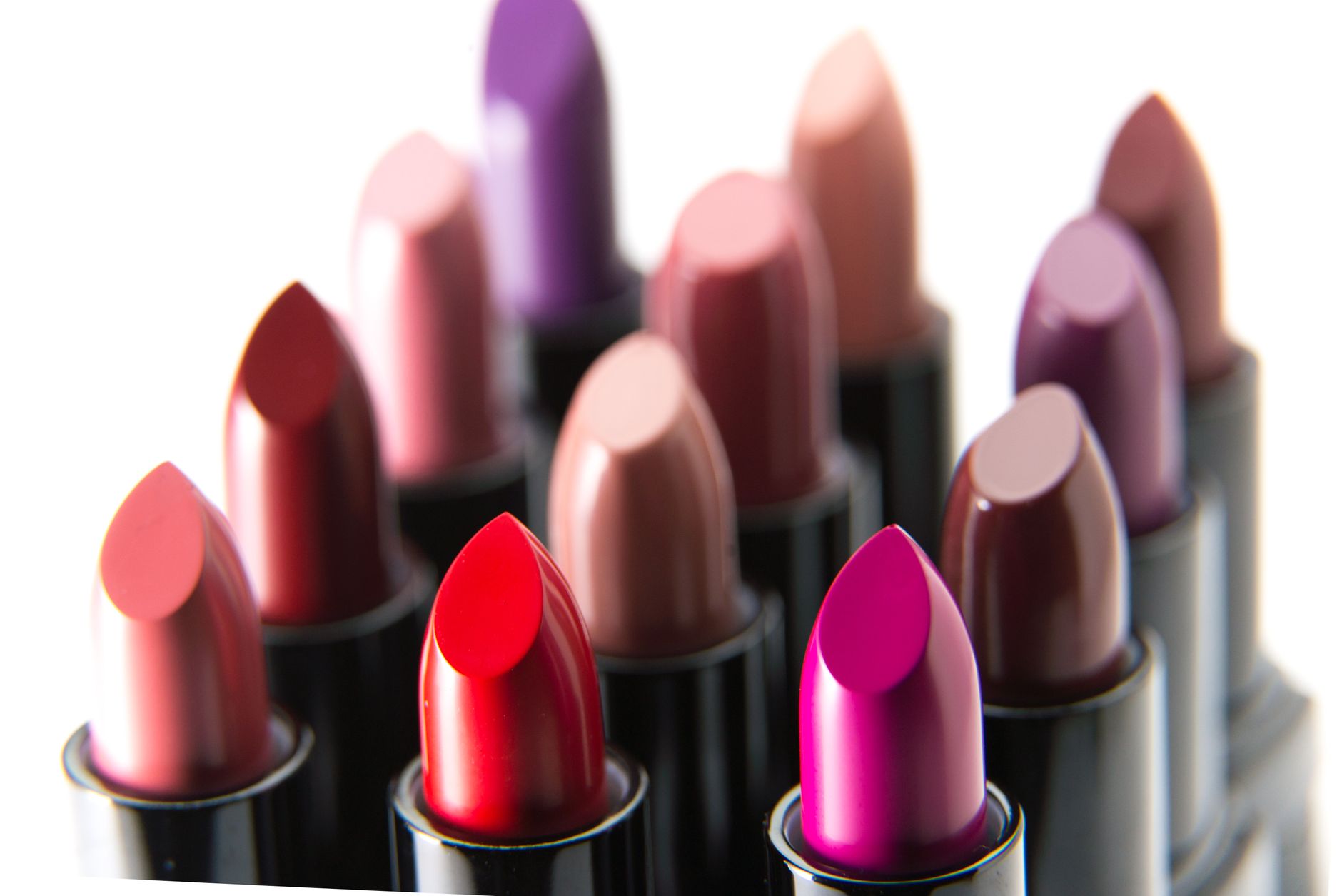
For example, a vivid liquid red can stay crisp through coffee yet gather at a peeling center patch after lunch. A cream red can fade at the rim of your mug, but your lips can feel less pulled. The lower-slip finish can expose existing roughness more clearly.
That visibility can reflect more than finish alone, since certain formula components may compound an already fragile surface.
Formula Details Can Aggravate Dry Lips
Ingredient lists show how lipstick gets its glide, set, scent, and color. A single ingredient is rarely the whole explanation. Your comfort depends on the full formula, the amount you wear, and whether your lip barrier already has irritation.
Ingredients Serve Different Jobs
Volatile silicones give liquid color a light spread before they evaporate. Alcohol denat. appears in some fast-drying formulas and adds to that quick-set feel. Neither name means every lipstick will bother your lips, but low levels of emollients and occlusive ingredients leave less cushioning for you.
Emollients such as castor oil, squalane, and certain esters smooth your lip surface. Occlusive ingredients such as petrolatum, mineral oil, wax, and dimethicone slow water loss with a surface layer. Humectants draw water toward outer skin, though they work better beside an occlusive layer in dry air.
Sensitivity Triggers Feel Different
| Formula detail | Why it appears | What it can mean for your lips |
|---|---|---|
| Volatile silicones | They give quick spread and fast dry-down. | Your lips can feel light at the start, then have less surface slip. |
| Alcohol denat. | It gives fast evaporation and a thin texture. | You can notice more stinging or tightness on compromised skin. |
| Fragrance and flavoring | They add scent and taste. | Your lips can become irritated when fragrance allergens affect you. |
| Preservatives or dyes | They help with product stability and color. | You can have a contact cheilitis trigger when your lips are susceptible. |
The U.S. Food and Drug Administration requires cosmetic ingredient labeling, so you can compare formulas without guessing. The European Commission Cosmetics Regulation restricts or requires declaration of certain fragrance allergens. Look for repeated patterns across products that caused your symptoms rather than blaming every silicone, wax, or dye.
Burning after a familiar flavoring or fragrance points to a different problem than gradual tightness after eight hours in a dry matte. Stop using the suspected product rather than covering a possible reaction with more balm.
That difference changes your next step. Ordinary dryness responds to gentle barrier care, while an irritated lip line calls for less exposure and more caution from you.
Dryness and Contact Reactions Have Different Signs
Fine flakes after matte wear, cold weather, rubbing, or over-cleansing point toward barrier dryness. This pattern stays close to your lip surface and improves after you pause color use and avoid rough removal. Cracks at your mouth corners can worsen after saliva sits in the folds.
Contact Cheilitis Has Stronger Warning Signs
Burning, itching, persistent redness, swelling, pronounced peeling, or a rash beyond your lip edge deserve more attention. Lipstick allergy vs dry lips comes down to pattern and symptoms. Allergy or irritation can involve soreness, redness around your mouth, and symptoms that remain after color comes off.
Allergic contact cheilitis is inflammation caused by contact with an allergen. Fragrance and flavoring are familiar triggers, while preservatives and certain dyes can play a part too. A product that felt comfortable on your lips for months can still become a problem after repeated exposure.
A Careful Response Limits More Irritation
- Stop the suspect: Set aside lipstick that came before burning, swelling, rash, or persistent redness.
- Strip back care: Use a bland, unscented protective balm and skip flavored lip products for now.
- Skip scrubs: Granules, brushes, and repeated lip exfoliation can remove more fragile surface skin.
- Avoid retesting: Putting color on inflamed lips again can prolong symptoms and blur the cause.
- Seek medical help: Contact a dermatologist for severe swelling, ongoing cracking, or peeling that does not settle.
Persistent swelling or redness needs a medical opinion before you return to routine matte wear. A dermatologist can assess contact cheilitis and can use patch testing in some cases to identify a contact allergy. That approach aligns with advice from the American Academy of Dermatology for skin reactions that persist or cause major discomfort.
Once a reaction is ruled out or settling, restoring the barrier can make a demanding finish more tolerable.
Barrier Care Changes Matte Wear
Color looks smoother on calm, intact lips than on a surface scrubbed raw. Start only after active cracking, bleeding, burning, or swelling has settled. Your aim is not glassy skin; you need a surface that feels flexible before color goes on.
Gentle Prep Reduces Visible Texture
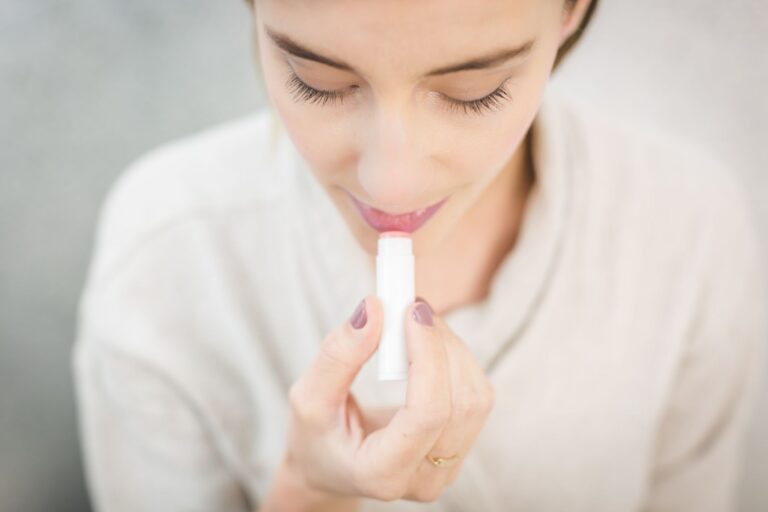
A lip balm primer can help, though a plain balm works too. Petrolatum-based options such as Vaseline or Aquaphor form a protective layer. Carmex can contain flavoring or cooling ingredients that sting sensitive lips, so your history with mint, menthol, or fragrance should shape that choice.
Use a thin coat and give it several minutes to settle. Blot visible excess before putting on lipstick, since too much balm can make liquid pigment slide, separate, or gather at the edges. That short pause gives your lips surface comfort without leaving color on a slippery layer.
Gentle Wear Habits Protect the Surface
- Start with calm lips: Put color on after soreness and active peeling have settled.
- Use a thin balm: Leave a light protective layer beneath compatible lipstick, then blot excess.
- Limit touch-ups: Add color only where it faded instead of coating your whole mouth repeatedly.
- Loosen pigment gently: Hold an oil-based remover or balm against your lips before wiping color away.
- Finish with protection: Put on a bland balm after removal to reduce overnight moisture loss.
Success looks like fewer flakes, less pulling, and color that breaks down more evenly by evening. You can lose some transfer resistance, but your lips do not need to pay for extra wear time with cracking.
Finish Choice and Medical Limits Shape Your Next Step
Daily comfort starts with matching the finish to the condition of your lips and the wear time you need. Cream, satin, and balm-like lipsticks leave more emollient material on your lip surface. Your dry-weather routine can lean toward those textures without giving up color.
Save Rigid Wear for Shorter Events
Long-wear pigments suit a wedding, presentation, or meal where transfer resistance matters more than comfort. Save your driest liquid matte for shorter stretches. A cream finish suits errands, desk days, and indoor heat better because you can refresh it with less friction.
For example, you could choose a satin rose for a heated office in February, then save a deep transfer-resistant berry for a two-hour evening event. The formula, climate, wear time, and your starting barrier can all contribute.
Persistent Symptoms Need More Than Self-Care
Stop product experiments after swelling, burning, peeling beyond the lip line, or cracks that continue after you quit the suspected lipstick. Your next step is dermatologic advice, not a stronger scrub or another flavored balm. Continued exposure can keep contact cheilitis active and make the source harder for you to identify.
Solvent loss, repeated rubbing, dry air, and several coats of pigment can have hours to act on your thin lip barrier. A softer formula and fewer touch-ups address that chain better than chasing flawless wear time.
What to Remember
Your lips have little natural oil protection, and fast-setting pigment films can expose dryness that weather, licking, or rough removal already started. Choose comfort-focused finishes for regular wear, keep prep gentle, and stop using products that bring burning, swelling, or lasting redness.
Your best routine may change with the season, your indoor air, and the condition of your lip barrier that day. A thin balm layer, less rubbing, and a flexible cream or satin finish can leave your color looking smoother without demanding more from already dry lips.
FAQ
Why do my lips feel dry after I wear lipstick?
Your lips can feel dry after lipstick because the color film has less slip than bare lips or a balm layer. Matte and liquid formulas can make existing TEWL, rough texture, dry air exposure, and rubbing more visible across your lip surface.
Does matte lipstick dry out lips?
Matte lipsticks use solvents that evaporate as the color sets, leaving pigments and film-forming ingredients on your lips. That film has less slip than a cream formula, so your natural lip lines and dry patches can feel tighter and look more obvious through the day.
Which lipstick ingredients irritate or dry out lips?
Ingredients in lipstick that cause dry lips can include volatile silicones and alcohol denat., especially on already rough lips. Fragrance, flavoring, preservatives, and certain dyes can trigger irritation or allergic contact cheilitis for you, so track repeated symptoms across ingredient lists.
How can you wear lipstick without lips peeling?
Start with lips that are not cracked or inflamed, then put on a thin layer of compatible balm and blot excess before color. Limit full reapplications, loosen long-wear pigment with balm or remover before wiping, and use a bland protective balm after removal.
Does lipstick cause contact cheilitis?
Yes. Lipstick can trigger contact cheilitis through allergens or irritants such as fragrance, flavoring, preservatives, or dyes. Your symptoms can include burning, itching, swelling, redness, or peeling that spreads beyond your lip edge rather than mild flakes alone.
Should you use lip balm before putting on lipstick?
A thin balm layer can reduce moisture loss and make a matte formula feel more comfortable on your lips. Give it several minutes to settle, then blot excess, because a heavy layer can cause liquid lipstick to slide or wear unevenly.