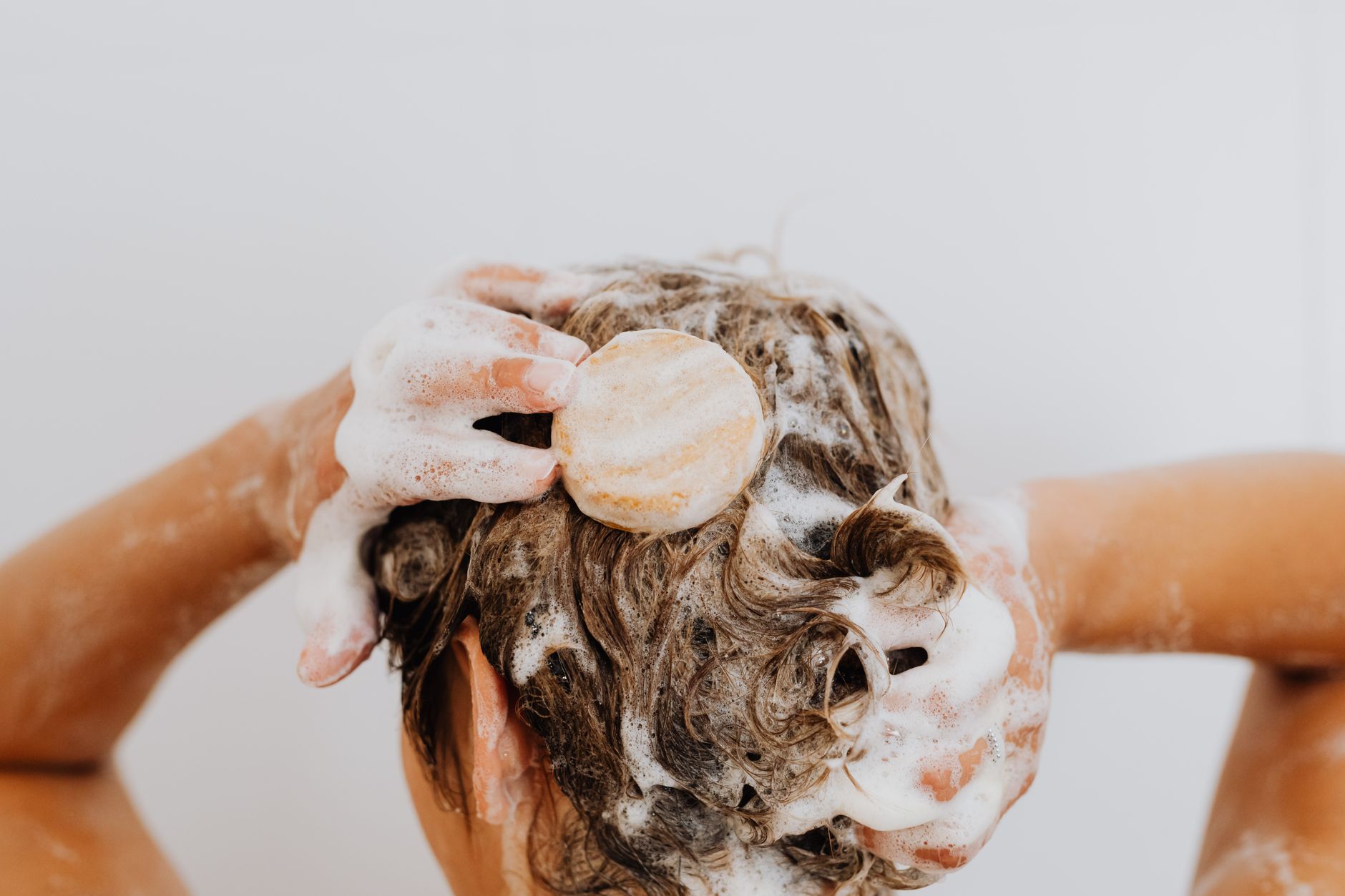

Dryness, shampoo residue, harsh cleansing, and underlying scalp conditions can trigger itching after a wash. You can feel tightness, fine flakes at the hairline, stinging during rinsing, or an itch that starts as your hair dries.
This guide explains how washing habits, product sensitivity, and persistent scaling can affect the scalp, helping anyone with post-shampoo discomfort narrow down a gentler routine.
A Weakened Skin Barrier Can Trigger Itch After Washing
Your scalp has an outer skin barrier that holds water in and limits contact with irritants. Shampoo, sweat, styling products, weather changes, and friction all touch that barrier during a normal week.
Strong cleansing can remove too much sebum, the oil your scalp produces for protection. Without enough oil and moisture, skin can feel tight after showering and itch as it dries. A dry itchy scalp after showering can feel similar to fabric rubbing over chapped hands.
Oil and Water Help Protect the Scalp
Natural scalp dryness makes this reaction easier to notice. You can have clean hair while your scalp lacks enough surface oil to slow water loss. Fine white flakes, tightness, and mild itch after drying point more toward dryness or irritation than an abrupt immune response.
Daily washing suits some hair types, yet dry or sensitive skin can react poorly to repeated cleansing exposure. Your scalp also gets more contact from double shampooing, gym showers, and dry shampoo used between wash days.
Fast Itch Does Not Automatically Mean Allergy
Timing gives you a practical clue. Itch that starts during rinsing or within minutes of towel drying can come from hot water, friction, surfactants, or leftover product. Scalp irritation from shampoo does not automatically mean an allergy is involved.
Irritation calls for a gentler routine, while an ingredient allergy calls for avoiding the trigger. That difference leads directly to the wash habits that can keep a weakened barrier under stress.
Water Heat, Friction, and Residue Can Keep Skin Irritated
Hot water can feel soothing on your shoulders while leaving your scalp prickly. Heat removes surface oil, and that extra oil loss can leave dry skin uncomfortable after a long shower.
Surfactants and Scrubbing Can Add Up
Sodium lauryl sulfate (SLS) is a surfactant that lifts oil and dirt so water can carry them away. For sensitive scalps, SLS and other strong cleansers can remove more oil than your skin tolerates comfortably, leading to burning, dryness, or itch.
- Lower water heat. Use lukewarm water so your scalp gets clean without the added oil loss from very hot water.
- Use finger pads. Massage with fingertips because nails can leave tiny scratches that sting during the next wash.
- Skip repeat lathering. A second shampoo pass adds cleansing exposure and suits hair with heavy oil or product buildup.
- Shorten the scrub. Spend 30 to 60 seconds spreading shampoo through the roots rather than rubbing hard.
- Rinse longer. Direct water across the crown, nape, and behind the ears, where shampoo residue can cling.
Your hair does not need rough scrubbing to get clean. Friction can turn mild irritation into a scratch-itch cycle: scratching damages skin, and damaged skin reacts more easily during the next wash.
Residue Can Resemble a Product Reaction
Conditioner, mousse, dry shampoo, and shampoo residue can sit near follicles and leave a coated, itchy feeling. Product buildup can also hold loose scale against the scalp, making flakes look worse the day after washing.
For example, conditioner spread from roots to ends can leave a waxy film at the crown. Keep rich conditioner on mid-lengths and ends unless its label states scalp use, then rinse until your roots no longer feel slick.
Stop scrubbing harder to chase a squeaky-clean feeling. Persistent squeakiness can mean that scalp lipids are gone, not that your hair needs more shampoo.
Ingredient Reactions Leave Different Clues Than Dryness
Burning, swelling, or rash-like bumps shift suspicion away from plain dryness and toward contact dermatitis. Contact dermatitis is skin inflammation after direct contact with an irritant or an ingredient that activates an immune response.
Irritant and Allergic Reactions Follow Different Patterns
| Pattern | Irritant contact dermatitis | Allergic contact dermatitis |
|---|---|---|
| Cause | Repeated contact with cleansing agents, hot water, friction, or residue. | Your immune system reacts to a particular ingredient. |
| Common feeling | Dryness, burning, tightness, or low-level itch. | Intense itch, redness, swelling, bumps, or rash beyond wash day. |
| Timing | Symptoms can build after repeated harsh washing. | Symptoms can appear after exposure, even with a familiar product. |
| Useful next step | Simplify washing and reduce friction. | Stop the suspected product and discuss patch evaluation with a dermatologist. |
Symptoms overlap, so your scalp alone cannot confirm an allergy. A dermatologist can place small amounts of suspected allergens on your back under patches to check for a delayed allergic response.
Fragrance and Preservatives Need Close Attention
Fragrance, preservatives, dyes, and botanical extracts are ingredient groups linked with allergic reaction to shampoo in susceptible skin. “Natural” oils and extracts are not automatically gentle because plant ingredients can trigger fragrance sensitivity.
Check every product that touches your scalp, including conditioner, hair masks, leave-in sprays, and hair color. Your reaction can come from combined exposure rather than the shampoo bottle opened in the shower.
Persistent contact dermatitis symptoms deserve medical assessment. Product labels or clear photos of ingredient lists give your clinician more detail than a product name alone.
Recurring Flakes Can Point Beyond the Shampoo Bottle
Flakes that return within one or two days of washing need a different lens. Dry scalp sheds small, powdery flakes because skin lacks moisture, while dandruff involves faster shedding and can include greasy or yellowish scale.
Dandruff Has a Different Driver Than Dry Skin
Seborrheic dermatitis is an inflammatory scalp condition linked with malassezia yeast, skin oil, and individual sensitivity. Standard cosmetic shampoo can leave that process unchanged, so itch and scale can continue despite regular washing.
| Scalp pattern | What you may see | What the pattern suggests |
|---|---|---|
| Dry scalp | Fine white flakes and tightness after washing. | Barrier stress, dry air, hot water, or excess cleansing. |
| Dandruff | Loose flakes with recurring itch around the scalp. | Faster skin shedding that can need a targeted dandruff shampoo. |
| Seborrheic dermatitis | Greasy scale and redness near the hairline, brows, or ears. | Inflammation involving malassezia yeast and oil-rich skin. |
| Scalp psoriasis | Thicker, defined scale with recurring inflamed patches. | A condition that needs professional assessment rather than self-diagnosis. |
Medicated dandruff shampoos use active ingredients such as ketoconazole, selenium sulfide, zinc pyrithione, salicylic acid, or coal tar. Nizoral uses ketoconazole, while some Head & Shoulders formulas use zinc pyrithione or selenium sulfide, so ingredient labels matter more than brand names.
Defined Scale Deserves a Clinical Review
Scalp psoriasis can resemble dandruff, yet its scale tends to look thicker and more sharply bordered. Recurrent patches, soreness, or scale beyond the hairline call for a dermatologist because the right care depends on the diagnosis.
Eczema and contact dermatitis can also affect the scalp. Repeated shampoo switching can delay a clear answer while your skin stays inflamed.
Reducing variables first can calm avoidable irritation and make persistent patterns easier to recognize.
A Simpler Wash Routine Can Interrupt the Itch Cycle
Removing every suspected trigger at once leaves you without a clear pattern. Pause the newest shampoo, conditioner, styling product, or hair color product that matches the start of your symptoms, then keep the rest of your routine plain for several washes.
One Routine Change Gives Clearer Clues
- Start lukewarm. Wet your scalp fully before shampoo so you need less rubbing to spread the product.
- Use a modest amount. Focus shampoo at the scalp, where oil collects, rather than piling it through the ends.
- Massage gently. Move across the crown, temples, and nape without scraping your skin with nails.
- Rinse in sections. Lift dense hair and rinse around the ears and nape until no slick product feel remains.
- Condition lower down. Keep conditioner on mid-lengths and ends unless scalp application appears on the label.
Look for less stinging during rinsing, fewer urges to scratch after drying, and less visible residue at the roots. Give the simplified routine several wash cycles unless rash, swelling, or pain appears.
Gentler Labels Still Have Limits
A fragrance-free, dye-free, or hypoallergenic shampoo can be a sensible trial for sensitive skin. Vanicream makes fragrance-free hair products, for example, yet a hypoallergenic label cannot rule out every reaction because formulas still contain cleansing agents and preservatives.
Sulfate-free shampoo can help with an itchy scalp after shampooing where strong surfactants are the main irritant. It does not stop allergy from fragrance, preservatives, or botanical extracts, and it will not resolve seborrheic dermatitis or scalp psoriasis on its own.
Introduce one changed product at a time. A clear timeline between use and symptoms gives your dermatologist stronger evidence than a crowded bathroom shelf.
Persistent Symptoms Need Dermatologic Care
Routine changes should ease mild dryness and residue-related itch over several washes. Persistent burning, spreading redness, or repeated flare-ups point beyond home troubleshooting and call for a clinical exam.
Visible Skin Changes Need Prompt Attention
- Redness or swelling. Inflamed skin can signal a strong contact reaction or another active scalp condition.
- Crusting or pus. These signs can point to infection and need prompt medical attention.
- Painful tenderness. Soreness around follicles deserves evaluation, especially with bumps or drainage.
- Spreading rash. Rash on your ears, face, neck, or body suggests the issue is not limited to wash technique.
- Hair shedding or loss. New thinning, broken hairs, or patchy loss needs assessment rather than more product experiments.
Cosmetic labels cannot diagnose what is happening on your scalp. A clinician can separate irritant contact dermatitis, allergic contact dermatitis, seborrheic dermatitis, psoriasis, infection, and related causes that look similar at home.
A Symptom Record Helps Your Appointment
Stop the product you suspect, write down the wash date and symptom timing, and photograph redness or scale in clear light. Bring bottles, labels, or ingredient lists to a dermatologist when symptoms continue.
Your clearest next step is restraint, not a larger collection of shampoos. A short product pause and careful record can show whether the problem follows a formula, a wash habit, or a condition needing targeted care.
Final Thoughts
A clean scalp should not feel raw, tight, or persistently itchy. Reduce heat, friction, residue, and unnecessary product changes, then watch the pattern your skin gives you. Your symptoms become more useful once you separate simple dryness from contact dermatitis, dandruff, seborrheic dermatitis, scalp psoriasis, or infection.
FAQ
Why is my scalp itchy after shampooing but not before?
Washing can remove protective scalp oil, expose skin to surfactants, or leave irritating residue behind. Your scalp can feel normal before washing because its oil layer remains in place, then itch after hot water, vigorous scrubbing, or shampoo disrupts that layer.
Can shampoo ingredients cause an itchy scalp?
Yes. Sodium lauryl sulfate and other strong cleansers can cause irritant contact dermatitis through repeated exposure. Fragrance, preservatives, dyes, and botanical extracts can trigger allergic contact dermatitis in susceptible skin, especially with redness, bumps, swelling, or itch beyond wash day.
How do I know if I am allergic to my shampoo?
An allergy becomes more plausible with intense itch, redness, swelling, rash-like bumps, or symptoms spreading to your ears, neck, or face. Symptoms alone cannot confirm an allergy. A dermatologist can use patch evaluation to identify a delayed response to a particular ingredient.
Why does my scalp itch even after I rinse out shampoo?
Rinsing removes much of the shampoo, yet residue can remain around dense roots, the nape, and behind the ears. Your skin barrier can also stay dry and irritated after the product is gone, while dandruff or seborrheic dermatitis can itch independently of residue.
What shampoo ingredients should I avoid for an itchy scalp?
Your trigger depends on the cause, yet fragrance, dyes, certain preservatives, botanical extracts, and harsh surfactants deserve scrutiny. Start with the newest product linked to symptoms. A fragrance-free and dye-free formula can reduce variables, while patch evaluation can identify a true allergy.
At what point should you see a dermatologist for scalp itching?
See a dermatologist after persistent or worsening itch despite a simplified routine, or sooner with swelling, crusting, pus, tenderness, spreading rash, or hair loss. Bring your product labels and a symptom timeline so your clinician can spot patterns that are hard to see during a brief exam.