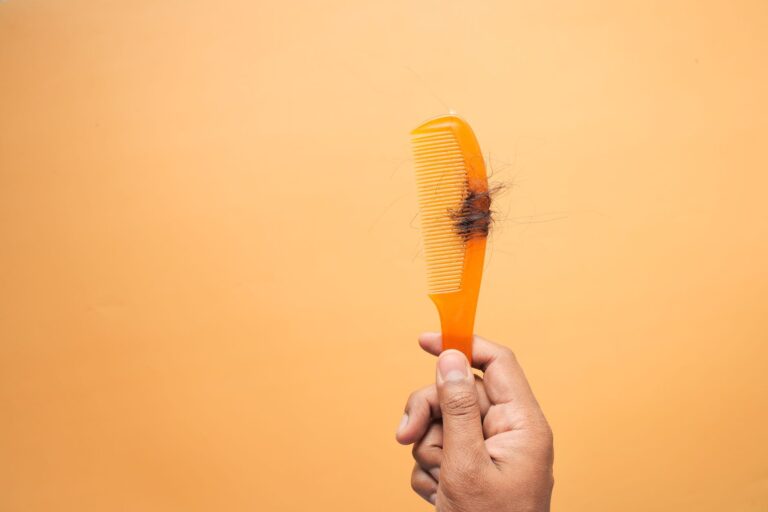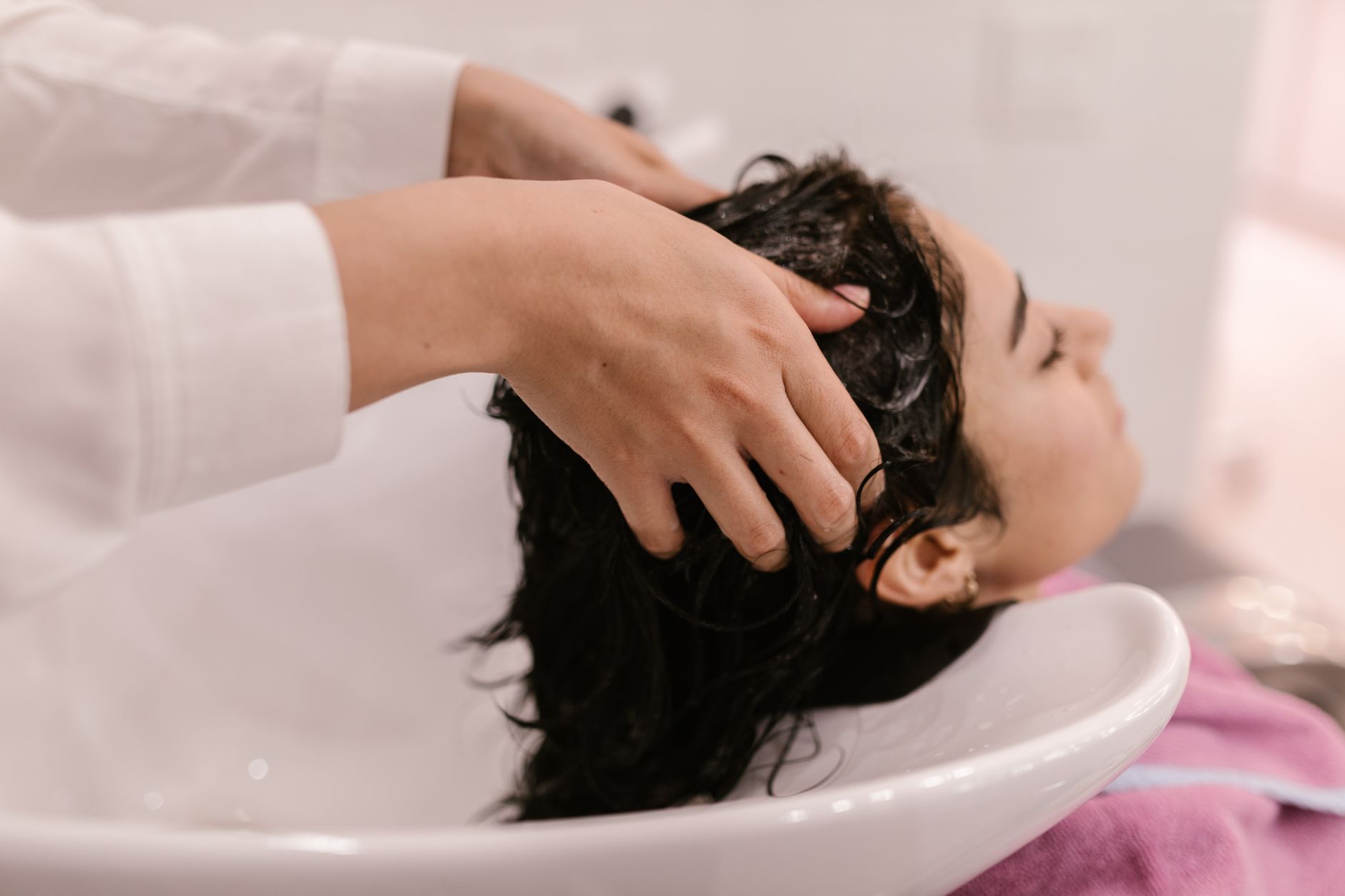

A greasy-looking finish can develop when fresh sebum, leftover hair products, or mineral film stays at the roots or returns soon after cleansing. You can leave the shower with clean-looking hair, then see separated strands and a flat crown by midday. Timing, texture, and scalp comfort point toward the likely cause.
These sections help you sort oil from residue, adjust your wash routine, and spot scalp symptoms that call for medical care. You’ll find practical steps for fine, curly, color-treated, and dry hair.
Sebum Creates Shine, but Residue Can Look Similar
Sebaceous glands release sebum, a natural oil that softens scalp skin and the hair near each root. Hair looks greasy as sebum spreads along the shaft, causing strands to clump and reflect light in slick sections.
Your scalp needs some sebum for comfort. Yet hair porosity and strand shape change how quickly that oil shows: fine, straight strands sit close together, while curls slow the movement of oil away from the scalp.
Fresh scalp oil feels slippery at the roots
True sebum feels slick at the scalp and returns after time has passed since washing. Your fingertips can pick up a light oily feel after rubbing the root area, especially along the part line and hairline.
By contrast, roots can feel heavy immediately after drying without much new sebum. Conditioner residue, dry shampoo, styling creams, and Product buildup can coat hair before the scalp has time to produce fresh oil.
| What you notice | Likely source | Useful clue |
|---|---|---|
| Slippery, shiny roots the next day | Fresh sebum | Oil begins at the scalp and moves outward |
| Waxy roots right after drying | Conditioner or styling residue | Hair feels coated without a natural-looking shine |
| Dull, stiff strands with a pale film | Dry shampoo or mineral deposits | Texture feels dusty or rough rather than slick |
| Yellowish flakes with itch or redness | Scalp inflammation | Scale sticks to the roots instead of brushing away cleanly |
Fine hair shows oil quickly because sebum travels across smooth, closely packed strands with little resistance. Your scalp can produce the same amount of oil as a curlier scalp, yet the shine becomes visible sooner.
Natural Oil Production Sets Your Baseline
Next-day shine starts with scalp biology rather than poor hygiene. Genetics, skin type, age, hormonal changes, and stress-related shifts can change how much sebum reaches your roots between washes.
Hair gets greasy after washing within a day for some scalp types because sebaceous glands resume their normal activity soon after cleansing. That pattern does not mean shampoo failed; it means your roots and lengths need different care.
Hormones and stress can shift oil output
Puberty, menstrual-cycle changes, pregnancy, stopping hormonal medication, and periods of high stress can change scalp oil over weeks or months. A sudden change deserves closer attention than a long-standing pattern that has stayed stable.
Diet can affect skin health in broader ways, but a single food rarely explains a greasy scalp by itself. Track larger changes in stress, sleep, medication, and symptoms before blaming a meal or cutting foods from your routine.
Overwashing does not train sebaceous glands
Frequent washing does not directly cause sebaceous glands to produce extra oil. Wash frequency changes how clean your hair appears, but it does not program glands to make more or less sebum.
Harsh cleansing can leave your scalp tight, itchy, or irritated while leaving the lengths dry. That discomfort calls for gentler cleansing, not a long stretch without washing.
Your wash interval should match scalp comfort and root appearance. Daily washing suits some oil-prone scalps, while every two or three days suits hair that stays fresh longer without itch, tightness, or rough ends.
When that baseline does not match the look or timing, product residue and frequent touching become plausible explanations.
Residue and Daily Contact Can Mimic Scalp Oil
Immediate heaviness points toward material left on the hair rather than new oil production. Incomplete rinsing can leave shampoo surfactants, conditioner, masks, or styling products near the scalp, making clean roots look unwashed.
Hard water adds another layer to that problem. Calcium and magnesium can cling to hair, making it feel dull, heavy, or resistant to rinsing even where fresh sebum is low.
Different coatings leave distinct clues
| Residue type | Texture and timing | Practical response |
|---|---|---|
| Silicone or styling-product buildup | Waxy coating, limp hair, poor lather | Use a clarifying shampoo on an occasional wash |
| Dry shampoo residue | Dusty roots, stiffness, gray cast | Wash the scalp thoroughly rather than adding more powder |
| Hard water deposits | Rough feel, dullness, weak rinse response | Use a chelating wash on occasion and check water hardness |
| Greasy scalp flakes | Yellowish scale, itch, redness, odor | Simplify products and seek dermatology care for persistence |
Hair feels oily after washing in hard-water areas because mineral film and product residue can sit together on the shaft. A mineral coating feels rougher than sebum, while a conditioner film feels softer and waxier.
Daily contact moves oil back to the hair
- Frequent touching: Your hands transfer skin oil, hand cream, and debris onto front sections and the hairline.
- Repeated brushing: Brushing spreads scalp oil down fine strands and flattens hair around the crown.
- Unwashed brushes: Brush bristles hold old oil, lint, and styling residue that return to your hair.
- Hats and helmets: Fabric traps heat and sweat against the scalp, leaving roots compressed and damp.
- Pillowcase transfer: Oil and hair products collect along the fabric near your hairline and temples.
Sweat does not create sebum, but sweat can flatten hair and spread oil already present at the roots. Humid air creates a similar result on fine strands, which can lose lift before they are truly dirty.
Timing Separates Rinse Problems From Natural Oil
The clock gives you a useful diagnostic tool. Roots that feel greasy before hair dries point toward rinse failure, Conditioner application near the scalp, or Product buildup.
Roots that become shiny six to twelve hours later fit fresh sebum more closely. Greasy roots after shampooing the next morning can reflect normal scalp oil, especially where hair is fine or straight.
Immediate heaviness needs a rinse and placement check
Hair that feels oily after washing can result from conditioner placed too high, a rich mask left near the crown, or shampoo that did not rinse fully. Run wet fingers through your roots during rinsing; the scalp should feel clean and light rather than slippery or squeaky-tight.
Example: Your nape feels clean, but the part line stays flat after blow-drying. Conditioner that spread upward during rinsing is a stronger suspect than sebum because new oil did not have time to build.
Hours and days reveal a different pattern
- Right after drying: Check product amount, rinse time, conditioner placement, and hard-water film.
- Within several hours: Look at scalp type, sweat, heat, touching, and fine hair texture.
- The next day: Treat natural sebum as the leading explanation unless roots feel waxy or dusty.
- After several days: Expect a mix of sebum, dry shampoo, styling residue, and environmental debris.
- With visible flakes: Focus on scalp comfort and scale rather than adding more oil-absorbing powder.
Example: You have oily roots and dry, bleached ends. Scalp-focused shampooing plus conditioner on the mid-lengths and ends addresses both zones without coating your crown.
A chalky root area after three rounds of dry shampoo needs removal rather than another oil-control wash. The phrase “hair gets greasy after washing” can describe two opposite issues: fresh scalp oil or too much material sitting at the roots.
Once the cause is clearer, concentrating cleansing where oil accumulates helps avoid over-drying the lengths.
A Scalp-Focused Wash Routine Keeps Roots Fresher
Clean roots depend more on placement and rinse time than aggressive scrubbing. Shampoo surfactants lift oil and debris after they reach the scalp, mix with water, and rinse away.
Your lengths receive cleansing from foam that travels downward. Direct shampoo placement on dry ends can leave them rough, especially after bleaching, coloring, relaxing, or frequent heat styling.
Scalp-focused washing improves rinse results
- Wet thoroughly: Saturate the scalp for about one minute so shampoo spreads across dense roots without catching on dry patches.
- Target the scalp: Divide thick hair into two or four sections and place shampoo directly along the roots.
- Use finger pads: Massage in small circles with your fingertips because nails can scratch the scalp and stir irritation.
- Rinse with patience: Keep water moving through the crown, nape, and behind the ears until hair no longer feels slick.
- Condition below ears: Keep rich conditioner, masks, and leave-in products away from the scalp unless the label names scalp use.
- Choose lukewarm water: Moderate water temperature loosens oil without leaving the scalp tight from very hot water.
Your final rinse should reach the densest part of the crown, where product can stay trapped beneath the top layer. Hair that dries light at the nape but heavy along the part line still needs more rinse time at the scalp.
Double cleansing has a narrow role
A repeat shampoo pass works after heavy styling products, dry shampoo, a sweaty workout, or several days between washes. The initial pass breaks up surface oil and residue; the repeat pass reaches the scalp more evenly.
Lightly soiled hair does not need two shampoo passes. Extra cleansing can leave dry, curly, bleached, chemically treated, or color-treated lengths rough without solving a root issue.
Clarifying shampoo helps with silicone film, shampoo buildup, and hard-water deposits. Neutrogena and similar brands sell clarifying formulas, while chelating washes target mineral deposits from hard water.
Use clarifying shampoo based on your hair’s response rather than on a rigid calendar. Tightness, itch, roughness, fading color, or dry ends signal that your scalp or lengths need a longer break between clarifying washes.
Those with dry curls, bleached lengths, chemical services, or color-treated hair need conditioner after clarifying. A clarifying wash can clean the root area while leaving porous lengths thirsty, so keep richer moisture below the ears.
Persistent symptoms call for a different response than adjusting cleanser or conditioner placement.
Persistent Greasiness and Scalp Symptoms Need Medical Attention
Better placement and rinsing can clear residue, but persistent symptoms point beyond routine oiliness. Itch, redness, tenderness, odor, thick greasy scale, sudden oil changes, or increased shedding deserve assessment from a dermatologist.
Inflammation can resemble greasy buildup
Dandruff and seborrheic dermatitis can produce flakes that mix with scalp oil and cling to the roots. The scalp microbiome, including Malassezia yeast, plays a role in dandruff-related scaling.
You cannot identify the exact cause by appearance alone where redness, soreness, or thick scale is present. Contact irritation can also begin after a new fragrance, hair oil, styling spray, or color service.
Simplify your routine to a gentle shampoo and familiar conditioner while symptoms settle. Avoid piling dry shampoo, heavy oils, or fragranced styling products over an irritated scalp.
Medication shampoos have limits
Ketoconazole shampoos, including Nizoral, and salicylic acid formulas can suit certain flaky scalp patterns. Head & Shoulders sells zinc pyrithione formulas in some product lines, and labels list the needed contact time.
Persistent symptoms still need medical evaluation because dandruff, seborrheic dermatitis, psoriasis, and contact dermatitis can overlap in appearance. That approach aligns with guidance from the American Academy of Dermatology.
- Change technique first: Focus on rinse time and root-only shampoo placement where residue seems likely.
- Simplify products: Pause new fragranced products, oils, and heavy masks after irritation begins.
- Track the pattern: Write down timing, flakes, itch, shedding, and product changes across two wash cycles.
- Seek dermatology care: Book an evaluation for pain, redness, thick scale, odor, or sudden shedding.
A Clearer Wash Plan Starts With the Pattern
Your next step depends on timing and texture rather than harsher shampoo. Slippery roots the next day fit natural sebum, while waxy hair right after drying points toward residue or incomplete rinsing.
Flakes, itch, redness, and tenderness shift the focus from appearance to scalp health. You can keep roots fresher by shampooing the scalp thoroughly, conditioning the lengths, and changing only the part of your routine that matches the symptom.
FAQ
Why is my hair greasy after washing?
Natural scalp oil, incomplete rinsing, conditioner near the roots, styling buildup, dry shampoo, or hard-water deposits can make clean hair look greasy. Immediate heaviness points toward residue, while shine that returns later fits fresh sebum.
Why does my hair get oily the day after I wash it?
Next-day oil can be normal for an oil-prone scalp. Your sebaceous glands continue producing sebum after shampooing, and fine or straight hair shows that oil quickly because the strands lie close together.
Can shampoo make my hair greasy?
Incomplete rinsing or product buildup can leave hair looking greasy after shampooing. Harsh cleansing can leave your scalp uncomfortable and your ends dry, though it does not directly force glands to produce extra oil.
Does conditioner cause greasy hair?
On fine hair, product that reaches the scalp or sits too high on the strands can leave roots looking greasy. Keep richer conditioners, masks, and oils on the mid-lengths and ends, then rinse until your root area no longer feels slippery.
How often should I wash oily hair?
Comfort and clean-looking roots should determine how often you wash an oily scalp. Daily washing suits some scalp types, while every other day suits others; dryness, itch, and rough ends signal a routine adjustment.
Can hard water make hair feel greasy?
Calcium and magnesium deposits can make hair feel dull, heavy, and difficult to rinse. An occasional clarifying or chelating wash can remove that film, while dry or color-treated lengths need conditioner afterward.