
Lukewarm washes, steady moisture, and less heat, sun, and pool exposure help dyed hair retain a more vibrant finish. Fresh color can lose shine after steamy showers, especially through porous ends. Your daily habits shape how long the shade stays soft, clear, and glossy.
This routine suits dyed, highlighted, bleached, gray, red, and vivid hair between salon visits. You’ll learn how washing, conditioning, heat habits, and buildup affect your color.
Color Services Change the Hair Surface
The cuticle becomes less even
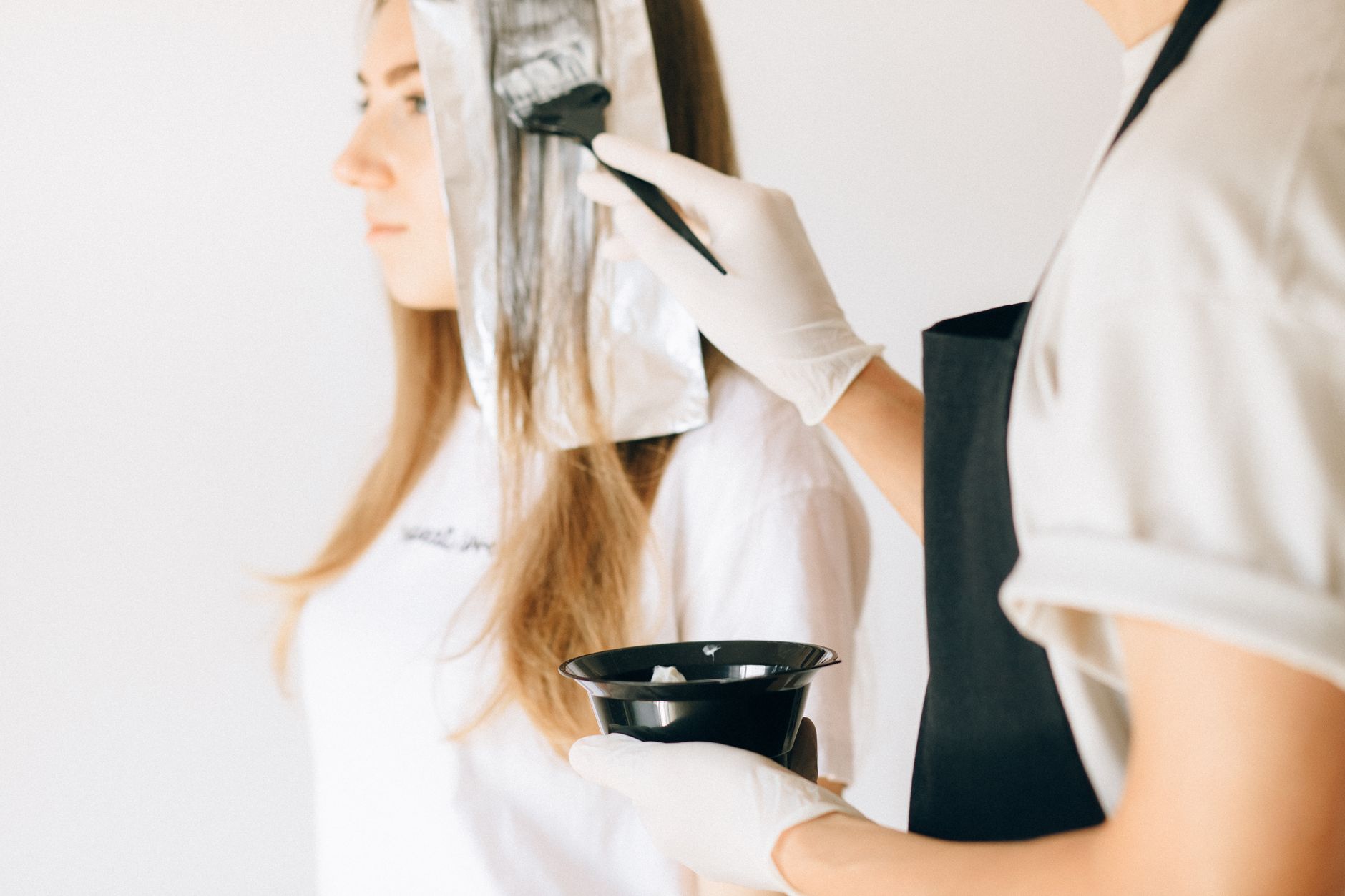
Permanent color, bleach, and highlights shift the cuticle, the outer layer of each strand. During processing, that layer opens so pigment can enter or natural pigment can lift out. Hair then loses moisture more easily, leaving your lengths rougher, tanglier, and less reflective.
Color sits inside hair that is no longer as tightly sealed as untouched strands. Shampoo, hot water, brushing, and towel friction can let pigment rinse away little by little. Red, copper, pastel, and vivid shades show fading sooner because even a small tone shift changes their appearance.
Hair porosity describes how readily a strand takes in and releases water, pigment, and conditioning ingredients. Bleached ends tend to have higher porosity than fresh growth near your scalp. That mismatch explains why your roots may look healthy while the last few inches feel dry and fade faster.
Heat, minerals, and water alter the shade
A very hot blow-dry can dry processed lengths, while long sun exposure can fade warm reds and turn blondes brassy. Chlorine can leave pale hair dull or slightly green through copper deposits in pool water. Your color faces extra stress each time dry, porous hair takes in those exposures.
- Hot showers lift the cuticle and leave your lengths drier after rinsing.
- Hard water minerals coat strands and make your color look cloudy rather than clear.
- Saltwater exposure pulls moisture from porous ends and roughens the surface.
- Repeated hot tools dry the fragile areas that hold color least well.
- Strong cleansers remove oil and buildup, along with some visible pigment during washing.
Gradual fading is normal, but persistent roughness needs a different response. Snaps during brushing, white dots on broken ends, or scattered patches that grab darker point to uneven porosity. Your next move is lowering stress on the strand instead of adding more pigment.
Uneven color absorption can signal uneven hair porosity. Pause strong cleansing and high heat on the affected area until your hair feels more flexible.
A Longer Wash Gap Preserves Fresh Color
Scalp needs set the wash rhythm
Each shampoo session swells the cuticle in water and exposes it to surfactants, the cleansing ingredients that lift oil and soil. Stretching your wash gap leaves color undisturbed for longer. Still, your scalp should feel clean and comfortable rather than oily, itchy, or coated.
How often to wash color-treated hair depends on scalp oil, exercise, texture, and styling buildup. Fine hair after a sweaty workout may need cleansing sooner than dense curls with dry ends. A two- to four-day rhythm gives many heads of hair a workable balance between fresh roots and protected lengths.
- Wash day shampoo and condition with lukewarm water, then blot your hair with a soft towel.
- Next day leave the lengths alone and restyle only the pieces that need attention.
- Root refresh place dry shampoo at the scalp rather than through colored ends.
- Next wash cleanse once roots feel oily, itchy, or coated with styling residue.
Dry shampoo absorbs oil at the roots, but it does not clean your scalp. Spray from several inches away, leave it for about a minute, then massage the root area. Your ends need far less handling between wash days, which limits tangles and breakage.
Lukewarm water limits dryness
Very hot water can leave processed hair thirsty and shorten the polished look of fresh color. Use lukewarm water for shampoo, then finish with a cool rinse. A cool rinse will not close each cuticle like a zipper, but it feels gentler on dry lengths.
That lower-temperature approach is part of how to make hair color last longer without adding another product. Hot water, rough towel drying, and daily cleansing can stack stress on the same fragile areas. Your color holds a clearer tone when those habits stay moderate.
A Focused Wash-Day Routine Reduces Friction
Gentle cleansing starts at the scalp
A Color-safe shampoo uses milder cleansing agents than a heavy-duty wash made for stubborn buildup. Products for color-treated hair from Pureology, Redken, Kerastase, and L’Oreal Professionnel vary in texture and fragrance. The practical feature is gentle cleansing, not the logo on the bottle.
A Sulfate-free cleanser suits bleached or dry lengths because it may feel less stripping during regular washing. Still, sulfate-free shampoo is not necessary for every color service. Your wash frequency, water temperature, and shampoo amount carry just as much weight as the label.
Wet hair stretches more easily than dry hair. Work shampoo through your scalp with fingertips, then let the lather travel down the lengths during rinsing. Scrubbing the ends adds friction where chemical processing has already weakened the surface.
- Start with less shampoo at the scalp, then add water before reaching for more cleanser.
- Condition lower lengths from mid-lengths through ends, where processing leaves hair driest.
- Detangle slowly with fingers or a wide-tooth comb while conditioner adds slip.
- Rinse fully so conditioner residue does not flatten roots or hold styling buildup.
- Blot gently with a microfiber towel or cotton T-shirt after showering.
Example: Your blonde highlights feel smooth near the crown but snag around the collarbone. Place conditioner from ear level down, then give the last three inches an extra pass. That focused method avoids greasy roots while your most processed hair gets more lubrication.
Gentle cleansing reduces wash-related wear, yet heat and sunlight can fade color between wash days.
Lower Heat and Sun Exposure Keep Tone Clear
Heat protectant limits repeated stress
Thermal styling removes moisture from hair already altered by color. Put Heat protectant through damp or dry hair before blow-drying, curling, or straightening, then choose the lowest setting that gives your desired shape. Fine or bleached hair rarely needs the highest tool setting.
Moroccanoil, Olaplex, and similar professional lines sell heat-protective stylers, yet technique matters more than a brand name. Your hair needs even coverage, modest heat, and fewer passes over the same section. One careful pass is gentler than five rushed passes.
Heat tools can fit into your routine, but avoid using them on hair that is still damp from pool water or saltwater. Residue plus high heat dries the surface further. Rinse, condition, and dry your hair fully before styling.
Sun and swimming need separate habits
UV protection for hair matters during beach days, outdoor sports, and long walks in direct sun. Wear a hat or scarf during long exposure, or choose a hair product made for UV exposure. Your red, blonde, silver, and vivid shades are more likely to show visible tone changes.
Pool water brings a separate concern. Wet your hair with clean tap water before swimming so each strand has less room to take in chlorinated water. Rinse promptly afterward, then condition the lengths before they dry stiff in the sun.
Saltwater can leave porous ends rough even without chlorine. Fresh water removes salt crystals before they pull more moisture from your lengths. That small step helps how to prevent color-treated hair from fading during a beach day.
Moisture Care Targets Porous Ends
Deep conditioning restores slip
Once a week, a conditioning mask can add lubricants that reduce roughness and improve slip through the lengths. Put it through the driest lengths after highlighting, bleaching, or repeated heat styling. Heavy masks placed at the scalp can leave fine roots limp.
Your hair does not need a mask after every wash. Reserve it for stiffness, increased tangling, or ends that feel rough after rinsing. A lighter conditioner suits days when your hair feels soft but still needs detangling support.
| Hair concern | Likely cause | At-home response |
|---|---|---|
| Dry, stiff ends | High porosity and heat exposure | Put a deep-conditioning mask through the last half of your hair. |
| Brassy blonde | Warm undertones showing through | Use purple shampoo or conditioner as directed, then condition well. |
| Dull color | Minerals or styling residue | Rinse thoroughly and reserve clarifying shampoo for real buildup. |
| Patchy fade | Uneven porosity through old ends | Focus on moisture care and seek salon help before another color service. |
Color-depositing formulas need restraint
Color-depositing conditioner refreshes tone by leaving a small amount of pigment behind. It suits faded copper, red, chocolate, or vivid tones between appointments. Your result depends on the starting shade, porosity, and how long the formula stays on the hair.
Purple shampoo suits blonde, gray, or silver hair once yellow or orange warmth becomes visible. Once or twice a month works for some blondes, while highly porous hair can grab violet quickly. Follow the label directions, wear gloves around strong pigments, and rinse thoroughly.
Brassy hair and dull hair are not always the same problem. Purple pigment adjusts warmth, while Hard water minerals can leave a grayish or cloudy film over the shade. Your hair needs moisture care or buildup removal based on the visible cause.
Clarifying Care Has a Narrow Place in the Routine
Buildup calls for a stronger wash
Mineral film, dry shampoo residue, and heavy styling products can make hair look flat despite careful washing. Clarifying shampoo lifts that buildup, but its stronger cleansing action can also pull moisture and visible color from processed strands. Save it for genuine coating or hard-water dullness, then follow with conditioner or a mask.
A Clarifying shampoo is not the answer for every dull color concern. Use it after your hair feels coated, your usual shampoo no longer lathers well, or minerals leave a cloudy finish. Freshly colored, dry, or fragile hair may need a gentler approach instead.
| Concern | Home care fits | Salon help fits |
|---|---|---|
| Mild faded tone | Color-depositing conditioner used sparingly | Uneven color needing a full correction |
| Dry ends | Mask, gentler washing, and reduced heat | Breakage that continues after gentle care |
| Hard-water dullness | Occasional clarifying wash followed by conditioning | Persistent mineral staining or green cast |
| New growth | Root touch-up products within label directions | Bleach retouching or multi-tone color placement |
An at-home routine for dyed hair suits mild dryness, slight dullness, and a tone that needs a small refresh. Severe breakage, mushy wet hair, dark bands, uneven bleach spots, or a major shift from orange to ash need a colorist’s assessment. Your salon plan should take priority after balayage, platinum blonding, vivid color, or a smoothing service.
Professional guidance sets the treatment plan; consistent home care determines how long its results stay visible.
Steady Habits Keep Color Looking Fresh
Reducing repeated stress on processed lengths is the main way to help dyed hair stay fresh between appointments. Wash less, keep water lukewarm, condition the driest areas, and cover your hair before long sun exposure or swimming. Your color lasts longer when the cuticle stays smoother and porous ends receive moisture before they start to snap.
Wait at least 48 hours after a color appointment before shampooing unless your colorist gives different directions. That pause gives freshly processed hair time to settle after the service. Your scalp comfort and the exact service can change the timing.
FAQ
How often should I wash color-treated hair?
A two- to four-day wash rhythm works for many color services, though your scalp oil, exercise routine, and hair texture set the real schedule. Fine hair may need cleansing sooner after sweating, while dry curls may stay comfortable longer. Your scalp should feel clean without forcing frequent shampoo through fragile ends.
What shampoo and conditioner are best for dyed hair?
A Color-safe shampoo paired with conditioner on your mid-lengths and ends is a practical starting point. Choose gentle cleansing for regular wash days and save stronger buildup removal for a specific reason. Your conditioner should add slip without leaving roots heavy or coated.
Do sulfate-free shampoos really help color last longer?
Sulfate-free shampoo can feel gentler on bleached, dry, or tangled hair because it may remove less surface oil during washing. It is not required for every color service. Your water temperature, wash gap, and amount of shampoo also shape how long your shade stays bright.
How can I prevent color-treated hair from fading at home?
Lower the repeat stress on your lengths through less frequent washing, lukewarm water, lower heat, and prompt rinsing after swimming. A hat, scarf, or UV hair product helps during long sun exposure. Your shade stays clearer when porous ends do not stay dry and overheated.
Can I use heat tools on color-treated hair without damaging it?
Heat tools fit into a color routine when your hair is dry, covered with heat protectant, and styled at the lowest useful setting. Keep each section moving and avoid repeated passes. Your ends face less dryness when one controlled pass gives the shape you want.
How do I keep blonde, gray, red, or vivid hair from becoming brassy or dull?
Blonde and gray hair may need purple shampoo once yellow or orange warmth appears, while red and vivid shades may respond to a Color-depositing conditioner. Dullness from mineral film needs a different response than brassiness. Your visible tone points toward pigment refreshment, moisture care, or buildup removal.